
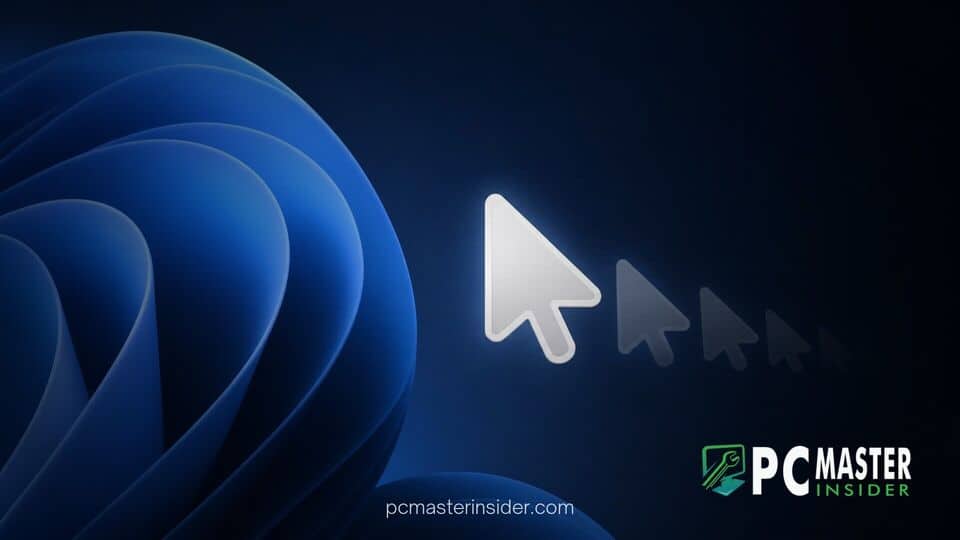
Microsoft has subtly revealed what appears to be a modern redesign of the default Windows mouse pointer in official mockups included with a recent Insider build. Sharp-eyed testers spotted the refined visual element within promotional materials for cross-device features, sparking discussions across the Windows enthusiast community.
While the company has not formally announced an update to the system pointer, the inclusion of an altered cursor asset across preview materials suggests internal visual experiments are underway. If implemented, this would mark one of the most visible UI visual updates to the desktop navigation experience in years.
Modernized Cursor Mockup Discovered in Windows 11 Preview
Attentive Windows Insiders exploring Windows 11 preview build 26340 noticed an unexpected details in promotional assets showcasing new OS features. Inside screenshots illustrating updated hovercards and cross-device resume capabilities, Microsoft embedded a refined mouse pointer graphic that differs significantly from the current Windows 11 default arrow.
The current pointer design in Windows 11 remains largely unchanged from legacy iterations, featuring a sharp, asymmetrical white arrowhead with a distinct black outline. The newly discovered graphic adopts a softer aesthetic with smoother geometry, tighter curves, and balanced proportions. Although Microsoft has not toggled the live functional pointer inside active system builds yet, the presence of polished artwork in official preview documentation suggests that an update to the default desktop pointer is under active consideration.
Visual Changes and Design Alignment with Windows 11
The revised mouse pointer mockup directly aligns with the Fluent Design language that defines Windows 11. Over the last few years, Microsoft has systematically modernized desktop elements, replacing rigid angles with rounded corners, subtle drop shadows, and acrylic transparency effects. The traditional cursor, however, has remained a rare exception, retaining legacy proportions that trace back decades.
The updated visual asset features rounded tips and a slightly shortened tail, reducing the harsh contrast of the outer border. This change fits neatly into broader interface updates across the OS. Microsoft has recently introduced visual refinements across various components, ranging from native automatic light and dark theme switching to updated context menus and system dialogs. Bringing the cursor design inline with Fluent Design principles creates a more cohesive visual experience across modern high-resolution displays.
Potential Integration with AI Features and Contextual Tools
Beyond cosmetic adjustments, UI analysts note that a cursor redesign could coincide with functional upgrades to desktop interaction. Microsoft has progressively integrated intelligent capabilities across the operating system. For example, recent preview updates featured native Copilot key remapping alongside expanded system shortcuts.
A modern pointer engine could allow Microsoft to introduce dynamic visual states for the mouse cursor. These might include context-aware animations when hovering over AI-assisted text fields, seamless scaling on high DPI monitors, or adaptive color matching based on background contrast. Dynamic pointers could also improve visibility when interacting with rich media or multi-display environments.
User Feedback and Historical Context of Windows Cursors
The core Windows mouse pointer shape has remained largely unchanged since the release of Windows 95, making any proposed redesign a major talking point among long-time PC users. While third-party custom schemes have allowed users to alter their cursors for decades, the default arrow remains a key brand asset for the operating system.
Community reaction to the discovered mockup has been split between enthusiasm for modern aesthetics and caution regarding functional stability. Customization reliability remains a sensitive subject for users, especially after updates like Windows 11 KB5120998 occasionally caused cursor reset bugs for subset configurations. Fortunately, Microsoft swiftly addressed those issues in follow-up patches, including the September mouse settings reset fix. Users who prefer custom pointer schemes expect Microsoft to maintain existing personalization settings alongside any new default design.
Expected Timeline for Public Testing
Because Microsoft has only included the redesigned pointer graphic in static promotional assets rather than an active system flag, public deployment is not immediate. The company routinely tests design concepts internally before enabling them in public preview channels.
If feedback from Insider build evaluations remains positive, Microsoft may begin testing the functional pointer in upcoming Beta or Dev Channel builds later this year. Until Microsoft officially confirms the update in release notes, the mockup serves as a promising glimpse into how Windows 11 continues to refine its visual identity.