Artificial intelligence research firm DeepSeek has officially expanded developer access to its platform by opening direct API endpoints for its core consumer application features while simultaneously releasing an open-source desktop chat client. The strategic update allows third-party software creators to integrate advanced capabilities including real-time web search, document parsing, and voice interactions directly into their custom software workflows.
By making its client source code available alongside granular application programming interfaces, the organization aims to reduce development friction for engineering teams building specialized enterprise tools or localized AI assistants. The move marks a significant shift from relying solely on standard model endpoints toward offering a fully customizable frontend and backend ecosystem.
DeepSeek API Open Source Chat Client Launches for Global Developers
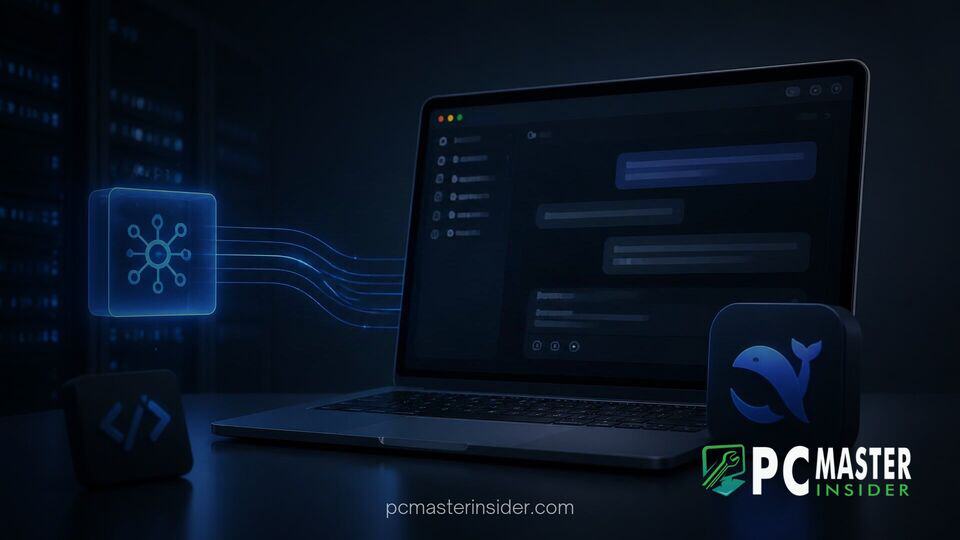
The release opens up DeepSeek's technical suite to external developers, providing open-source access to a client frontend alongside individual APIs for search, voice processing, and document handling.
DeepSeek Transitions App to Public API
Under the new architecture, features previously restricted to the consumer web interface are accessible programmatically across standard API requests. Developers using the platform's V4.1-Flash model endpoints can now enable automated tool selection or call individual modular APIs for specific operations. These standalone services include real-time web search and page retrieval, optical character recognition (OCR) for complex documents, automatic speech recognition (ASR), and text-to-speech (TTS) output.
This API expansion eliminates the need for teams to build external search scrapers or third-party parsing pipelines when building agentic AI applications. For instance, open-source AI inference engine initiatives often rely on streamlined backend calls to reduce systemic latency, making direct feature endpoints an attractive solution for production workloads.
Open-Source Desktop Client Features
To demonstrate the practical application of these APIs, DeepSeek published its static chat client codebase under the permissive MIT license. The lightweight interface operates directly inside modern web browsers or native desktop wrappers without requiring a dedicated server application backend. Users enter an API key into their local client settings to manage multi-turn conversations, trigger deep-thinking search routines, and execute file parsing.
Security and data storage within the desktop client are handled strictly on the local client device. Settings and authentication keys are stored using browser localStorage, whereas conversation histories, attachments, and branch states remain safely in IndexedDB. The client also supports importing existing chat histories exported from the official DeepSeek web service, giving users complete ownership of their local data archives.
Developer Access and Integration Impact
The dual release addresses growing demand among enterprise teams and independent developers seeking transparent, client-side control over AI communications. Having access to an open source codebase allows organizations to inspect client-side network traffic, customize localized user interfaces, and apply internal data governance policies before deploying chat interfaces to staff.
This approach aligns with broader market trends in software architecture, where native efficiency and local control take precedence over resource-heavy web wrappers. Software teams seeking high-performance desktop clients have increasingly transitioned away from bloated setups, a shift echoed when Discord announced a client rebuild in Rust to boost native system speeds. Similar architectural choices in the open-source community allow developers to package DeepSeek's client into minimal native wrappers for platforms across Windows, macOS, and Linux environments.
Furthermore, hardware makers continue optimizing client-side environments to handle desktop AI workflows smoothly. Desktop computing platforms are rapidly evolving to support complex workloads locally, as demonstrated when Gigabyte unveiled its AI TOP AERO desktop tailored for high-memory AI execution. Having a lightweight client frontend ensures hardware resources remain available for core processing tasks rather than UI overhead.
What Lies Ahead for the AI Ecosystem
The open-source availability of the client frontend opens up new possibilities for operating system integration. Specialized Linux platforms, such as Kora OS built for local AI workloads, stand to benefit from transparent desktop applications that plug seamlessly into customizable API endpoints.
At the same time, enterprise users must maintain proper balance when managing local configurations and cloud service connections. Organizations implementing client-side tools often face strict regulatory compliance guidelines. Recent security updates highlight this priority across corporate workspaces, much like how Microsoft added per-app privacy controls in Windows 11 to give IT administrators finer control over data access privileges.
By providing both modular API endpoints and an open client framework, DeepSeek offers developers a flexible base for constructing modern AI applications tailored to strict privacy, budget, and functional specifications.