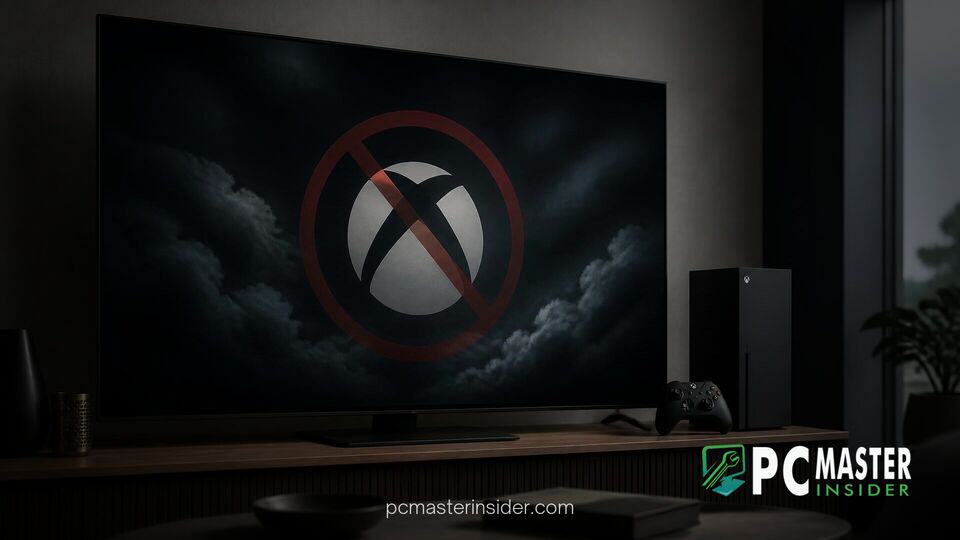
Microsoft has officially notified affected users that it will deprecate the Xbox app on 2020 Samsung Smart TVs starting November 3. The decision ends native cloud gaming access on these older displays, requiring owners to switch to alternative hardware to continue streaming Xbox Game Pass titles.
In notices delivered to registered accounts, Microsoft explained that recent underlying platform changes and evolving streaming technology have made the app incompatible with the hardware and software limitations of 2020 TV models. While 2020 models will lose access, Microsoft confirmed that 2021 and newer Samsung Smart TVs will remain fully supported for native cloud streaming.
Microsoft Retires Xbox Cloud Gaming App for 2020 Samsung Smart TVs
The upcoming deprecation affects all 2020 Samsung Smart TV models running older iterations of Samsung's Tizen operating system. After November 3, users opening the Xbox app on a 2020 set will no longer be able to initiate stream sessions or access their game libraries natively. The move represents one of the first major hardware support retirements since Microsoft launched its dedicated TV cloud gaming expansion.
To keep affected users informed, Microsoft issued email alerts detailing the end-of-support timeline. The company pointed out that while the native smart TV app is being phased out on these specific models, active Game Pass Ultimate subscriptions remain unaffected and accessible on all other supported platforms.
Technical Requirements and Unsupported Chromium APIs
Industry analysts and web developers suggest that technical friction within older Tizen web runtime environments contributed significantly to the deprecation. Modern web-based video streaming applications rely heavily on updated WebRTC protocols, video decoding standards, and modern browser APIs.
Older TV hardware running legacy builds of the Chromium engine often struggles to receive necessary system-level security updates and browser feature backports. As Microsoft shifts its cloud infrastructure toward updated streaming endpoints and security frameworks, legacy TV browsers lack the technical capability to render low-latency streams stably.
Impact on Older Tizen TV Ecosystems
Maintaining software parity across smart TV ecosystems poses persistent challenges for platform operators. Television manufacturers frequently sunset full operating system updates for models after a few years, leaving built-in applications reliant on aging system libraries.
For smart TV owners, this retirement highlights the long-term trade-offs of relying on built-in television operating systems for high-performance software. While local media streaming apps like Netflix or YouTube maintain low system overhead, interactive real-time game streaming demands tight control over hardware decoding and low-latency input handling. Similar infrastructure evolution was seen when Microsoft deprecated legacy components in older Windows software to streamline core platform development.
Alternative Devices for Accessing Xbox Cloud Gaming
Owners of 2020 Samsung Smart TVs who wish to continue streaming Xbox titles without upgrading their display have several external hardware options. Connecting a dedicated streaming device via HDMI bypasses the TV's built-in Tizen software entirely.
Supported hardware alternatives include:
- Amazon Fire TV Devices: Select Fire TV Stick models and Fire TV Cubes support the official Xbox app.
- Xbox Consoles: Xbox Series X|S and Xbox One consoles provide direct access to the full cloud gaming library.
- PCs and Laptops: Cloud streaming remains supported via the Xbox PC app and web browsers. Users on Windows 11 can also benefit from modern graphics pipeline updates like advanced shader delivery enhancements for GPU performance.
- Handhelds and Mobile Devices: Android, iOS, and dedicated cloud handhelds support streaming via native apps or mobile web interfaces.
Plugging an inexpensive streaming stick or console into an HDMI port allows 2020 Samsung TV owners to maintain full access to Xbox Cloud Gaming while preserving their existing display setup.
Microsoft's Long-Term Strategy for Cloud Gaming Platforms
The retirement of the 2020 Samsung app comes as Microsoft continues refining its broader cloud deployment strategy. The company has expanded cloud distribution partnerships across new display ecosystems, including expanding the Xbox app to select Hisense TVs running VIDAA OS, alongside existing support for LG Smart TVs.
Microsoft has also continued adapting its platform agreements, much like its recent multi-year agreement where Take-Two signed an updated Xbox publishing deal to ensure broad cross-device distribution. Meanwhile, ecosystem changes extend across the entire tech landscape, from operating system updates like Microsoft's general availability rollout of Windows 11 version 26H2 to hardware realignments where Microsoft ended updates for legacy ARM chips.
By phasing out legacy hardware targets that require specialized maintenance, Microsoft can focus engineering resources on improving latency, image quality, and feature expansion for modern devices. 2020 Samsung Smart TV owners have until November 3 to transition to an alternative device to ensure uninterrupted gaming sessions.