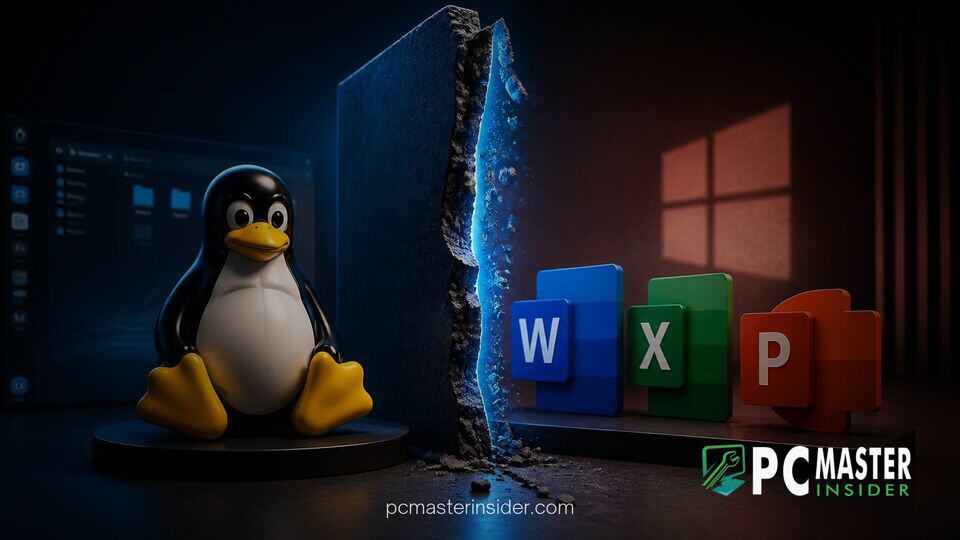
David Heinemeier Hansson, creator of the Arch-based Linux distribution Omarchy, has issued an open request to Microsoft top management to bring native Microsoft Office applications to Linux. The creator urged Microsoft CEO Satya Nadella to support the desktop platform natively, pointing out that core productivity tools remain a primary blocker for enterprise and creative desktop adoption.
While web-based alternatives like Microsoft 365 exist, proponents of open-source desktop software emphasize that browser wrappers cannot deliver the full functionality required by power users. The initiative highlights a growing demand for enterprise-grade productivity suites within the expanding Linux desktop community.
native microsoft office apps linux request
The call for native Microsoft Office apps on Linux addresses a longstanding productivity friction point for developers, system administrators, and enterprise users who prefer open-source operating systems. Although open-source alternatives such as LibreOffice and web editions of Microsoft 365 provide baseline features, complex spreadsheet macros, advanced document formatting, and local system integration continue to rely on native builds.
Omarchy Developer Challenges Microsoft Over Linux Office Apps
David Heinemeier Hansson, widely known as DHH and co-founder of 37signals, took to social media to highlight what he views as the final hurdle for mainstream Linux adoption. Specifically referencing flagship applications like Word and Excel, Hansson asked Microsoft leadership what conditions would be necessary to prioritize a native Linux build.
Hansson argued that software sales and subscription revenue, rather than Windows operating system exclusivity, drive Microsoft modern business model. By expanding Office software to Linux, Microsoft could tap into an engaged user base of developers and technical professionals without risking core software revenue.
Recent developments across the desktop ecosystem have shown increased interest in streamlined operating systems. For instance, systems optimized with specialized updates like faster boot times and 8GB RAM optimizations cater to lower-spec hardware, but users moving toward Linux distros like Omarchy often find themselves choosing between native desktop speed and full application compatibility.
The Productivity Gap and Limits of Web-Based Microsoft 365
For years, Linux users seeking access to Microsoft productivity tools have relied on web-based versions of Microsoft 365 or virtualization setups. While browser apps handle basic text editing and standard spreadsheet tasks, power features like advanced data modeling, specialized add-ins, local macro execution, and precise offline typography rendering remain limited.
Developers who need native local tools often turn to cloud services or secondary machines. Meanwhile, software projects continue to integrate productivity workflows directly into software interfaces, such as when Copilot Canvas in Excel generates interactive dashboards for data analysts. Replicating those deep interactive feature sets inside a browser window under Linux remains a persistent technical challenge.
Strategic Implications for Linux Desktop Adoption and Windows
Microsoft has steadily softened its stance toward open-source platforms over the last decade, releasing tools like Visual Studio Code, Azure Linux distributions, and Microsoft Teams components for non-Windows systems. However, native desktop productivity suites like Word, Excel, and PowerPoint have historically remained exclusive to Windows and macOS.
Releasing native Linux packages would dismantle one of the largest obstacles preventing enterprise IT departments from deploying Linux on corporate workstations. Industry analysts observe that while IT managers welcome security initiatives like Windows Autopatch quality update management, mixed-OS environments would benefit greatly from unified document formats and native local software.
Furthermore, Microsoft focus on web apps, cloud services, and developer pipelines—such as GitHub Copilot multi-model orchestration—means its revenue model is increasingly platform-agnostic. Bringing native Office to Linux would align with this multi-platform subscription strategy.
Future Outlook for Enterprise Office Software Cross-Platform Support
Despite the growing vocal requests from developers and distribution maintainers, Microsoft has not announced official plans to port the desktop version of Microsoft 365 to Linux. Enterprise platform priorities, security compliance validations, and software maintenance overhead for diverse Linux packaging formats remain considerable hurdles.
In the meantime, the Linux community continues to rely on open-source suites like LibreOffice, web wrappers, and local container solutions to bridge the productivity gap. As developer-centric operating systems gain traction, pressure may continue to build on software vendors to support native cross-platform releases across all major desktop operating systems.