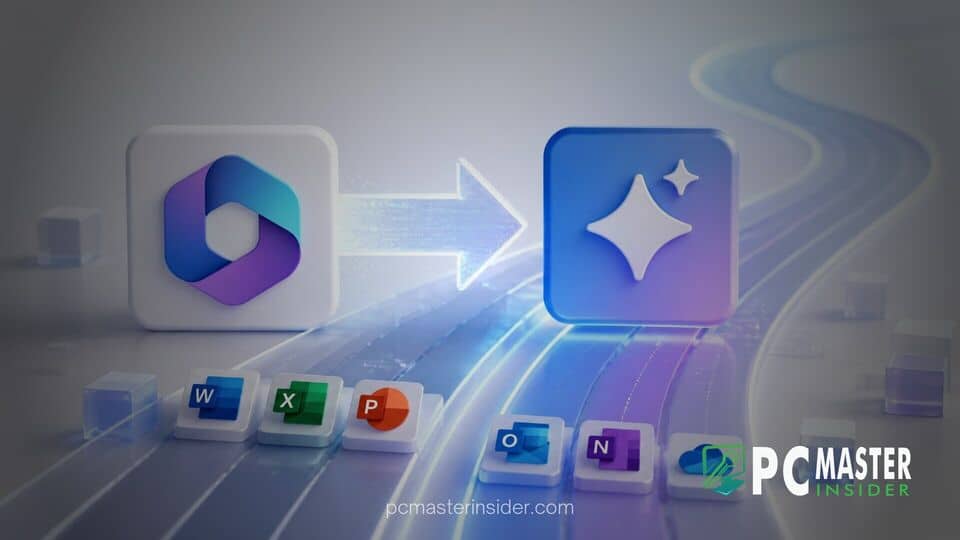
Microsoft has officially renamed its long-standing Microsoft 365 Roadmap portal to the AI at Work Roadmap, signaling a major strategic push to align enterprise software updates under its broader artificial intelligence initiative. The transition consolidates future product feature tracking across Microsoft 365 applications, Dynamics 365, Power Platform, and Dataverse into a single unified public repository.
According to updates posted across official administration channels, the rebranded interface keeps core functionality intact while broadening the scope of upcoming capabilities tracked on the platform. System administrators and enterprise users will retain existing search capabilities, notification preferences, and rollout status filters despite the sweeping brand change.
microsoft 365 roadmap ai at work rebrand
The transition from the traditional portal name marks a significant shift in how Microsoft communicates its product development schedule to commercial customers. Under the new naming structure, Microsoft aims to offer an overarching location where enterprise customers can view upcoming capabilities spanning productivity applications, cloud enterprise management, and automated tools.
Microsoft Renames 365 Roadmap to AI at Work Roadmap
For over a decade, IT managers and software administrators relied on the public portal to track upcoming updates to applications such as Word, Excel, Teams, and Exchange Online. The updated portal now explicitly frames productivity updates around corporate digital transformation, replacing former branding across web banners, webinar series, and RSS update feeds.
In official support documentation, Microsoft clarified that the website URL and primary filtering tools remain functional. Administrators searching for core IT infrastructure fixes or non-AI software updates can still look up feature roadmap IDs, filtering by rollout phases such as In Development, Rolling Out, or Launched.
Centralized Tracking for Microsoft 365 AI Innovations
The main organizational motivation for the rebrand stems from an effort to eliminate fragmented roadmaps across different product groups. In past years, updates for business applications were distributed across separate release planners and documentation sites. By establishing a single repository, Microsoft intends to help organizations coordinate complex deployments that span multiple enterprise platforms.
This unified approach reflects how modern corporate suites operate. For instance, Microsoft 365 Copilot expands Python data analysis features in Excel alongside broader cloud workflow updates, demonstrating how deep integrations require coordinated scheduling. Furthermore, tracking security controls like those seen when Microsoft Teams adds option to automatically block external meeting bots will remain visible under the same portal structure.
Changes to Enterprise Feature Rollout Communications
Alongside the name update, Microsoft is retiring its legacy twice-yearly release wave framework for Dynamics 365 and Power Platform in favor of a continuous delivery model. The historical Release Planner tool will be retired by mid-November, fully transitioning enterprise customer tracking over to the new portal.
Organizations relying on automated tracking can leverage direct integration channels, including RSS feeds and exportable CSV reports. Microsoft is also introducing a dedicated Model Context Protocol (MCP) server for release communications, enabling IT teams to query roadmap status directly using automated AI agents and administrative scripting tools. This shift aligns with broader industry trends, such as when Microsoft retires Release Wave model in favor of continuous AI roadmap schedules.
Industry Impact and Enterprise IT Administrator Reaction
The aggressive rebranding strategy has drawn mixed reactions from technology analysts and enterprise administrators. While proponents appreciate consolidating Dynamics 365 and core software suites into a single dashboard, critics argue that the new name implies every upcoming feature is tied to artificial intelligence, even when updates focus on basic maintenance, security patches, or standard interface adjustments.
Community discussions on IT platforms highlight concerns that general product updates without machine learning elements might get lost under the new marketing umbrella. Some administrative professionals expressed concern that business leaders might assume all features on the roadmap require specialized add-on licensing.
Despite the criticism over naming conventions, the structural functionality for systems managers remains largely unchanged. Microsoft continues expanding its broader enterprise software capabilities across platforms, whether managing desktop management updates or watching as Microsoft expands Windows on Arm ecosystem beyond 7,000 native apps for modern corporate deployments.
As the November consolidation deadline approaches, IT departments are advised to update internal documentation, browser bookmarks, and automated scraping workflows to ensure uninterrupted visibility into enterprise software rollouts.