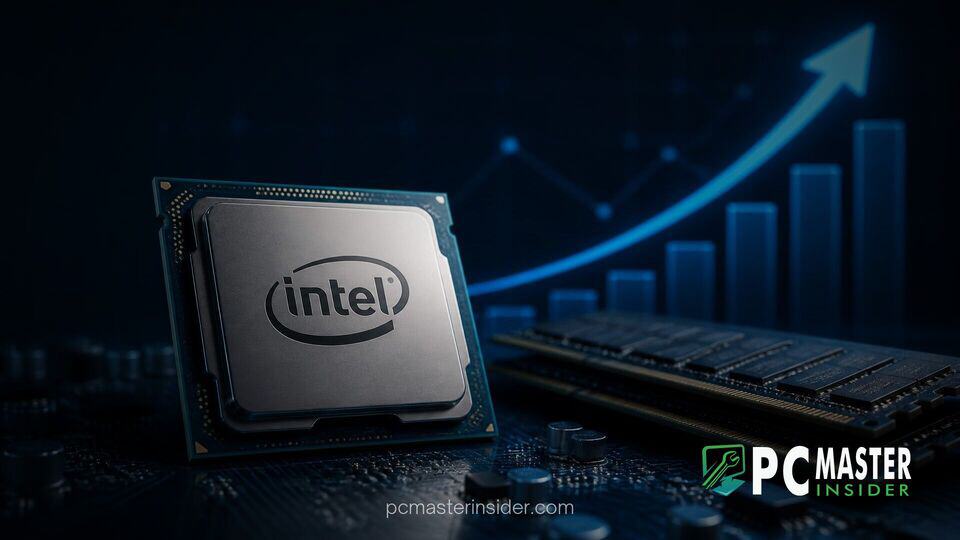
Intel has initiated a price adjustment across its consumer and commercial PC processor lineup, increasing prices by roughly 10 percent. The decision comes as supply chain partners face steep price hikes on system memory and related silicon components.
This pricing correction reflects broader industry challenges, where surging demand for high-bandwidth memory and server infrastructure continues to squeeze raw material allocations. As component expenses mount, personal computer manufacturers and individual builders are preparing for higher end-user costs.
intel pc processor price increase 2026
Intel's latest pricing structure introduces an average 10 percent hike on personal computer central processing units. Industry reports indicate that the adjustment impacts both desktop and mobile processor product lines as semiconductor companies realign margins against escalating component expenditures. Rising DRAM contract rates and tight packaging capacity have forced major chipmakers to distribute operational costs across client segments.
Intel Adjusts Desktop and Mobile Processor Pricing Across Global Markets
The price modifications cover a broad selection of Intel processors destined for consumer desktop PCs, enterprise workstations, and notebook computers. While exact unit adjustments vary depending on product tier and volume contracts, system integration partners report baseline pricing shifts that directly impact wholesale hardware acquisition.
Hardware distributors in North America, Europe, and Asia have started reflecting the updated cost schedules in wholesale catalogs. For desktop enthusiasts purchasing boxed processors, retail prices are expected to rise accordingly over coming inventory cycles. Mobile processor allocations sold directly to original equipment manufacturers (OEMs) have similarly seen baseline contract rates climb.
Rising Component Costs and Memory Squeezes
The underlying driver behind the processor adjustment centers on unprecedented price pressures across memory technologies. Global DRAM and NAND flash memory prices have surged over recent months. Enterprise demand for memory chips used in artificial intelligence data centers has diverted manufacturing capacity away from standard consumer PC DRAM wafers.
Market research firms highlight that contract prices for system memory are climbing rapidly as supply remains constrained. Earlier reports from research groups like TrendForce projected PC DRAM contract prices to rise sharply, leaving system builders with higher overall bill-of-materials costs. Memory vendors such as Micron have warned that memory shortages could persist for years as semiconductor foundries prioritize high-margin server memory modules over standard desktop memory.
Even compact single-board computer ecosystems have felt the strain of these memory cost adjustments. For example, earlier this year Raspberry Pi increased 2GB board prices due to DRAM costs, illustrating how broad-based memory market shifts impact hardware across all performance tiers.
Strategic Shift Toward Margin Preservation
Financially, the price adjustments represent a focused effort by semiconductor manufacturers to protect operating margins amidst elevated wafer processing and advanced packaging expenses. During recent investor communications, semiconductor executives acknowledged that managing elevated input costs remains essential to sustaining ongoing research and manufacturing investments.
With advanced process nodes requiring significant capital expenditure, manufacturers are increasingly reluctant to absorb multi-quarter component price spikes. Industry analysts note that maintaining stable gross margins allows chipmakers to continue funding next-generation architecture development without delaying product roadmaps.
Impact on Consumer PC Building and System Integrators
The price increases hit a personal computer market that is already balancing shifting consumer purchasing habits. For custom PC builders, a 10 percent bump in CPU costs, combined with rising RAM prices, noticeably increases the total price tag of a mid-range or high-end rig.
Gamers and content creators upgrading existing platforms face higher out-of-pocket costs for standalone chips. Modern PC configurations increasingly demand larger system memory footprints; recent platform trends show 32GB system RAM overtaking 16GB as the standard PC memory configuration, compounding the overall build cost when both processors and RAM kits experience simultaneous pricing increases.
Prebuilt System Costs and DIY Market Outlook
Prebuilt desktop manufacturers and laptop brand partners are currently evaluating how much of the cost increase to absorb versus pass along to retail customers. Major laptop brands previously warned that rising silicon and memory expenses could lead to retail price bumps across consumer notebook lineups.
System integrators often operate on thin margins, meaning wholesale CPU cost adjustments typically translate to retail price revisions within a few inventory cycles. Prebuilt desktop lines in the entry-level to mid-range space are particularly sensitive to component shifts, where a $20 to $50 markup on a processor can shift a machine into a higher pricing bracket.
Upcoming Hardware Releases and Market Expectations
Looking ahead, industry watchers expect price stability to depend heavily on memory production output and global logistics chains. While chip makers continue delivering updated silicon platforms to market, overall hardware pricing is expected to reflect elevated manufacturing realities through the near term.
Despite hardware cost fluctuations, innovation in mobile and desktop form factors remains active. Manufacturers are pushing forward with integrated AI acceleration and efficient platform designs, such as recent announcements where Aaeon unveiled new mini PCs powered by Intel Panther Lake chips. However, whether buyers select compact desktop units, custom DIY builds, or thin laptops, higher processor and component price tags will remain a key consideration when planning upcoming technology upgrades.
In summary, Intel's 10 percent CPU price increase highlights how tightly connected central processors are to broader supply chain dynamics. As memory shortages and packaging constraints continue to influence component costs, both industry partners and end consumers will need to navigate a more expensive personal computing landscape in the months ahead.