German high-performance laptop manufacturer XMG has announced a new round of price adjustments across its product catalog, citing severe inflation in component procurement. Most affected laptop models have seen starting retail prices rise by €100 to €150, with select high-end workstation systems experiencing increases of up to €300 on the company's bestware store.
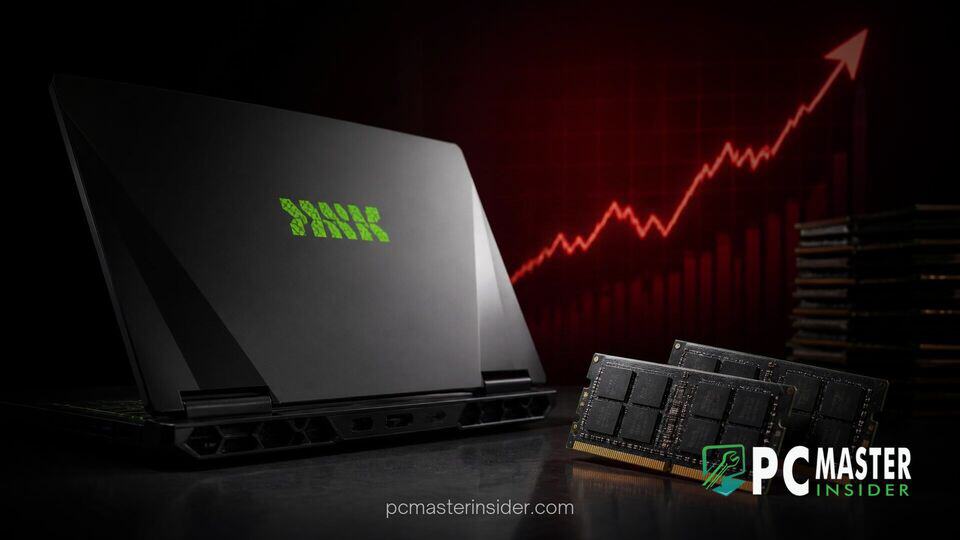
The chief driver behind these retail adjustments is the continuous surge in memory module procurement costs. XMG confirmed that procurement prices for laptop DDR5 SO-DIMM modules have escalated nearly sixfold compared to baseline levels from mid-2025, mirroring wider industry volatility as global component suppliers shift production priorities toward enterprise hardware.
xmg laptop price increases ddr5 ram costs
To provide transparency to customers, XMG outlined the exact factors behind its revised catalog structure. The company confirmed that DDR5 memory prices reached record highs in recent months, making RAM modules one of the single largest expense increases in modern notebook manufacturing. While initial hardware price increases earlier in the year were primarily attributed to memory, XMG clarified that upstream cost pressures have now broadened across almost all primary hardware components.
Mainboard printed circuit boards (PCBs), discrete GPU silicon, mobile processors from both Intel and AMD, and GDDR7 video memory have all become substantially more expensive to procure. Additional supply chain factors, including elevated air freight rates from Asian manufacturing partners and heightened maritime insurance premiums around key shipping corridors, have further compounded final assembly costs for European vendors.
XMG Adjusts Laptop Pricing in Response to Memory Cost Inflation
Soaring DDR5 SO-DIMM Module Costs Drive Retail Adjustments
Starting prices across mainstream gaming lines, including the XMG APEX 16, CORE 15, CORE 16, FUSION 16, and NEO 16, have increased by €100. Larger chassis designs and enthusiast models such as the APEX 16 MAX, APEX 17, FOCUS 17, and FUSION 15 have seen a €150 base adjustment. Meanwhile, the flagship SCHENKER KEY 18 Pro mobile workstation incurred the largest single adjustment, climbing by €300 to absorb cumulative hardware cost spikes.
Component upgrades have also been re-evaluated under the new pricing model. High-tier configurations featuring top-end mobile graphics solutions, such as Nvidia GeForce RTX 5090 Laptop GPUs, now carry an extra €120 surcharge on compatible frames. However, select productivity platforms like the XMG EVO series alongside the SCHENKER WORK, CONNECT, and ELEMENT lines have been excluded from this pricing round, maintaining their existing baseline tags for office and enterprise clients.
Broader Impact Across Desktop RAM and Storage Pricing
The price adjustments reflect broader macroeconomic shifts across consumer electronics. Market analytics from European retail platforms show desktop DDR5 kits and high-speed NVMe solid-state drives following a similar upward curve. As manufacturers struggle with tight component allocation, high hardware costs lead to market stagnation in key trading segments, dampening consumer upgrade velocity.
XMG is not the only brand contending with compressed margins. Major industry OEMs are taking similar measures to preserve operational sustainability. Industry executives, including Acer warning consumer PC prices could rise significantly through late-year retail cycles, signal that hardware inflation is becoming a widespread market standard rather than an isolated phenomenon.
What Buyers Need to Know About Current Laptop Market Trends
For perspective buyers, navigating current market trends requires careful timing and realistic expectation setting. As average system costs climb, average selling prices for personal computers have already reached historic benchmarks. Consumers seeking custom configurations should keep the following market conditions in mind:
- Pass-Through Adjustments: XMG reiterated that its price updates strictly represent pass-through component expenses rather than margin expansions, promising to reduce retail tags if component costs decline.
- Lead Time Variability: High-demand memory specifications and top-tier GPU options may experience temporary stock shortages or longer delivery lead times over coming quarters.
- Modular Options: Certain vendors, such as Framework lowering memory prices on specific module form factors, continue exploring alternative memory standards to alleviate procurement pressures.
Future Outlook for PC Hardware Supply Chains and RAM Pricing
Supply chain analysts expect memory market volatility to persist through the near term. Major DRAM manufacturers continue allocating significant silicon fabrication capacity toward enterprise high-bandwidth memory (HBM) and specialized AI data center infrastructure. Consequently, consumer-grade DDR5 DRAM and SO-DIMM supply channels are projected to remain tight, keeping production input costs elevated for system integrators.
Unless memory production output expands or consumer demand drops significantly enough to rebalance wholesale pricing, system builders will likely face sustained overhead challenges. XMG's latest pricing adjustments underscore the ongoing reality of the PC market, where external component inflation directly shapes the final cost of high-performance mobile gaming PCs.