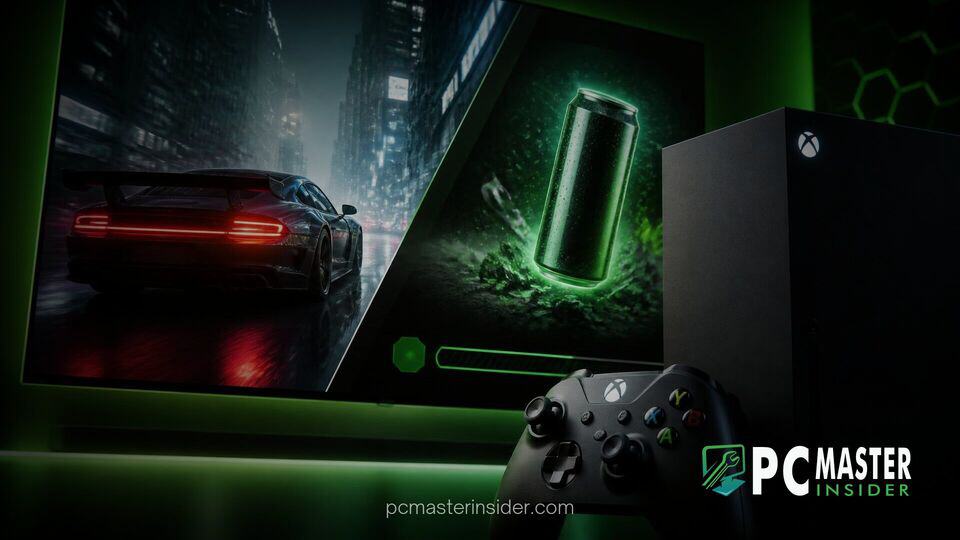
A newly published patent application from Microsoft describes a system that temporarily pauses PC and console games to serve promotional advertisements during downtime. In exchange for watching these commercials, players earn ad-credit time that delays future interruptions and extends uninterrupted gameplay.
The filing, published by the U.S. Patent and Trademark Office under publication number US 2026/0260258 A1, is titled "Contextually Aware Management of Interactive Software Application Access". It outlines a mechanism to integrate promotional audiovisual content directly into interactive software without abruptly ruining active gameplay moments.
Microsoft Patent Details In-Game Ad Integration for Xbox
According to the application filed by Microsoft Technology Licensing, LLC, the proposed framework relies on an Xbox in game ads patent mechanism that monitors software state to detect logical transition points. Rather than interrupting high-stakes combat or cinematic cutscenes, the content management system identifies natural pauses such as loading screens, post-boss battle screens, match summaries, or main menu navigations.
When the application hits a designated trigger event, player inputs and game state progression are safely suspended. For instance, in a racing title, the car's state would freeze or enter an automated hold so players do not lose progress or crash while viewing the promotion. Once the promoted video or interactive ad concludes, control is restored, and the user receives a digital credit.
How Contextual Ads Could Unlock Additional Game Time
The patent details two primary ways these credits could be calculated: time-based duration and event-based milestones. Viewing a commercial might award a player an ad-free window ranging from 15 minutes to over an hour. Alternatively, the system could award progression tokens that guarantee uninterrupted play for a set number of multiplayer matches, level completions, or boss encounters before the next ad check occurs.
Machine learning models and game engine signals would evaluate real-time player context to optimize ad placement. By evaluating when a user is least likely to quit or feel frustrated, the system attempts to balance developer monetization with user retention.
Ad-Supported Tiers and Cloud Gaming Potential
While the patent filing does not specify an exact commercial implementation, tech analysts note that the technology aligns with recent monetization efforts across Microsoft's gaming ecosystem. The company has actively explored ad-supported cloud gaming models to lower barriers to entry for non-subscribers. Earlier experimentation with free cloud sessions in the Xbox Insider Program tested showing video ads prior to launching stream instances.
This ad-credit structure could potentially power free-to-play Xbox titles or accessible tiers of cloud streaming without requiring upfront subscription fees. However, tech companies regularly file patents for defensive purposes or early-stage research concepts that may never enter production. Recent platform shifts reflect broader changes across the company, such as when Microsoft reorganized Xbox Studios and handed the next Halo game to Activision while restructuring internal resources.
Industry Impact and Community Response
In-game advertising is not a new concept in the interactive entertainment sector. Mobile games have long utilized rewarded video ads to grant in-game currency or extra lives. Major console publishers like Electronic Arts have experimented with dynamic signage inside sports titles, though previous attempts to insert video overlays during match replays met swift consumer backlash.
Early community reactions on social platforms and gaming forums have expressed skepticism regarding commercial breaks on traditional console hardware. Many players argue that mid-game interruptions feel misplaced outside the mobile ecosystem, particularly for premium titles. Conversely, proponents point out that an opt-in ad model could offer a viable way for budget-conscious gamers to access cloud titles without paying monthly fees.
In conclusion, Microsoft's latest patent represents an innovative tech blueprint for context-aware advertising. Whether this credit-based commercial delivery system ever makes its way to Xbox consoles, PCs, or cloud streaming services remains to be officially announced.