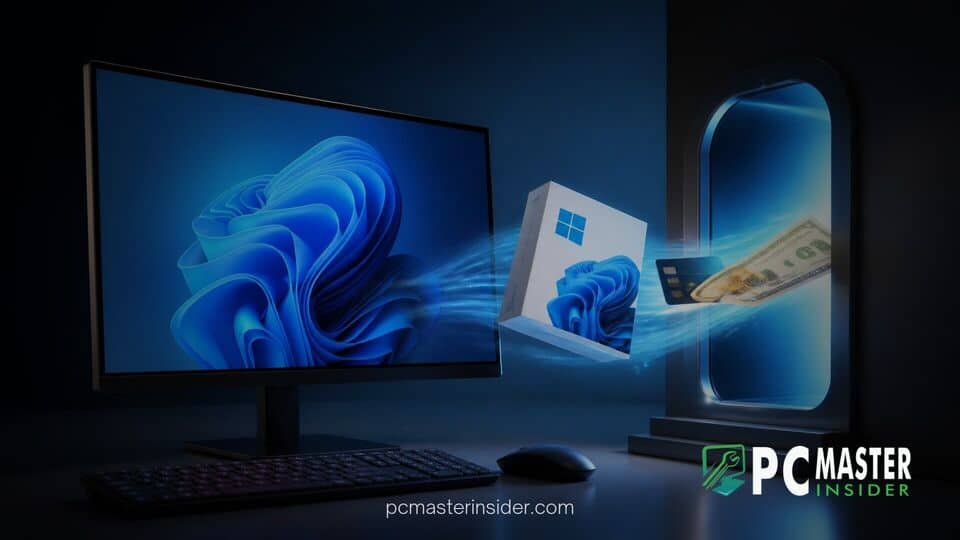
A coalition of digital rights advocates and open-source software organizations has officially launched Refund4Freedom, a centralized platform designed to assist consumers in obtaining financial compensation for pre-installed operating systems on new computers. The initiative provides step-by-step guidance, standardized legal documentation, and tracking tools to help buyers exercise their rights under software end-user license agreements (EULAs).
By targeting the bundled licensing fees baked into OEM hardware prices, the project aims to lower the barrier for users who plan to install alternative operating systems, such as Linux distributions or BSD variants, right out of the box. Organization leaders report that despite clear contractual language in Microsoft End User License Agreements regarding software rejection, buyers have historically faced significant bureaucratic hurdles when attempting to decline the software and claim a partial reimbursement.
Refund4Freedom Campaign Targets Unwanted Windows 11 Licensing Fees
For decades, major personal computer manufacturers have shipped pre-built laptops and desktops with OEM licenses tied directly to the hardware. Consumers purchasing these machines typically pay an undisclosed software fee included in the total retail cost. While many users rely on the preloaded operating system, a growing demographic of open-source enthusiasts, system administrators, and privacy-focused users prefer alternative software platforms. Through the new portal, users can submit a formal request for a refund4freedom windows 11 license refund without needing to navigate complex corporate customer service channels alone.
Under the standard Microsoft Windows End User License Agreement, users who do not agree to the licensing terms upon booting up a new device are instructed to contact the original equipment manufacturer (OEM) to request a refund. However, consumers frequently encounter support agents who are unfamiliar with the clause or refuse to process software returns without forcing a complete return of the physical computer hardware. The campaign seeks to eliminate this barrier by standardizing the refusal process across major retail brands.
European Linux Organizations Launch Dedicated Refund Portal
The platform was created with support from several European open-source bodies and digital civil liberties groups that have long fought against tied selling and forced software bundling. These organizations argue that mandatory hardware-software bundling restricts consumer choice and inflates hardware prices for those who do not use proprietary software. By pooling legal resources and community experiences, the team built a structured system that generates customized templates based on country-specific consumer protection laws and individual manufacturer policies.
Advocates note that while hardware manufacturers often receive bulk volume discounts for pre-installing Microsoft software, those savings are rarely transparent to the end user. When consumers reject the OS terms, OEMs are legally bound in many jurisdictions to offer a reasonable reimbursement for the unused software portion. By making these rights accessible through an automated dashboard, project organizers hope to establish consistent precedent across the industry.
How the Windows 11 License Reimbursement Process Works
The workflow provided by the initiative relies on strict adherence to manufacturer setup procedures. When a buyer boots a newly purchased laptop or desktop for the first time, they are greeted by the initial Out-of-Box Experience (OOBE). To maintain eligibility for a license reimbursement, the buyer must decline the license agreement screen rather than clicking accept. Once declined, the device must remain unactivated while the user initiates contact with the PC vendor using the portal's legal templates.
Users begin by entering their device model, purchase location, and vendor details into the dashboard. The web system then generates a tailored request package containing the exact legal wording required by that specific manufacturer. After sending the documentation, users can track response times, log manufacturer replies, and escalate unhelpful responses to relevant regulatory agencies if a vendor fails to comply with its statutory duties or published EULA terms.
Legal Documents and Manufacturer Cooperation
Legal experts participating in the campaign highlight that consumer protection regulations in regions like the European Union strictly prohibit anti-competitive tying practices. If a customer buys hardware bundled with software, they should retain the right to reject the secondary product without invalidating their hardware warranty. The generated documents reference specific regional legal decisions where courts ruled in favor of consumers seeking non-bundled hardware sales.
While some smaller PC builders already offer bare-bones systems or laptops without an operating system, major global OEMs remain hesitant to streamline software-only refunds. Platform coordinators hope that increased volume and unified legal requests will encourage top-tier manufacturers to create dedicated online return channels for software licenses. In time, this could lead vendors to offer clear option checkboxes during the initial purchase checkout, allowing customers to opt out of paid software licenses before shipping.
Potential Long-Term Impact on PC Hardware Bundling
The broader implications of this campaign extend into software competition and consumer rights. Today, users who prefer non-Windows environments often find themselves paying a software tax on hardware they fully own. While power users and developers frequently customize their environments, such as testing software on specialized platforms like Google adding native Windows 11 and WSL support for development tools, those running pure Linux configurations prefer not to fund operating systems they never intend to boot.
Hardware enthusiasts who manage custom setups or monitor system health issues, such as resolving RGB peripheral driver causes for game crashes, often find that alternative operating systems offer cleaner control over low-level system processes. For these users, having a straightforward method to refuse bundled software ensures that budget resources are allocated entirely toward better hardware components rather than unwanted software licenses.
Industry analysts suggest that widespread adoption of license refunds could push major retailers to expand their offer of OS-less or FreeDOS devices. Furthermore, hardware vendors might become more transparent about the exact portion of a laptop's price tag attributed to software licensing. Even as hardware manufacturers continue working closely with OS vendors, including recent hardware integration efforts like hardware-based device association in enterprise environments, consumer pressure for unbundled consumer devices remains steady.
For now, the initiative continues to collect user feedback and expand its database of manufacturer contacts. As more PC buyers test the platform's automated system, advocates hope to publish aggregate data showing vendor response rates, average refund amounts, and compliance statistics. Consumers interested in learning more about their rights or submitting a request for a newly purchased device can access the tool directly through the organization's public web registry.