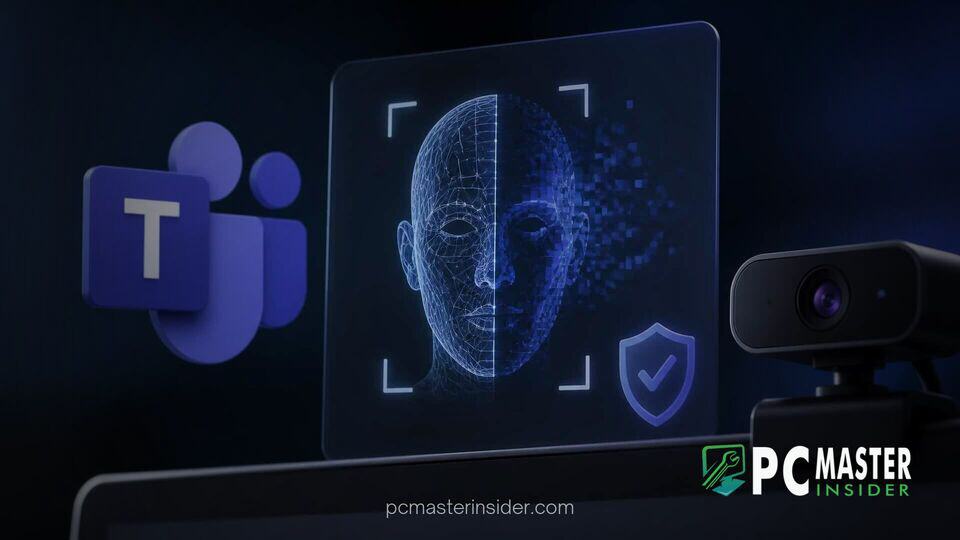
Microsoft has confirmed plans to integrate certified third-party deepfake detection tools directly into Microsoft Teams meetings starting in November 2026. The enterprise communication platform will enable external security software to scan active video and audio feeds in real time, alerting users to synthetic media or potential identity fraud.
The initiative arrives as generative AI models make synthetic audio cloning and real-time video impersonation increasingly accessible to bad actors. Rather than building a proprietary detection engine, Microsoft is establishing an integration architecture that permits specialized security vendors to deliver live risk scores and alerts inside meeting interfaces.
Third-Party Deepfake Scanning Arrives in Microsoft Teams
Under the new roadmap entries, Microsoft Teams will host integrations from certified cybersecurity partners who specialize in media forensics. When these external tools detect anomalous spectral signatures in voice streams or visual artifacts in video feeds, they will issue real-time notifications to meeting participants. This update targets social engineering threats, high-stakes financial approvals, and corporate espionage operations where imposter accounts target remote workforces.
How Real-Time AI Detection Functions
The integration framework operates by channeling live media telemetry from active Teams sessions through security hooks to authorized partner tools. Detection engines evaluate incoming streams for markers common to generative neural models, such as temporal voice glitches, unnatural facial edge blurs, or missing biometric cues.
Instead of displaying a binary status, partner tools can transmit granular confidence metrics. If an external application determines that a participant's voice or video exhibits a high probability of artificial manipulation, a warning banner or activity notification appears in the meeting window. This mechanism ensures that meeting organizers receive immediate context without disconnecting legitimate users who experience temporary bandwidth degradation.
Strengthening Security Against Synthetic Media Threats
The decision to open Teams to external security providers reflects the rapid evolution of deepfake technology. Attackers have moved beyond text-based phishing to execute sophisticated business email compromise schemes using deepfake audio during live phone and video conversations. By relying on dedicated vendor expertise, Microsoft enables IT teams to deploy specialized defense layers suited to their existing security stacks.
Security teams routinely face challenges when users accept external meeting invitations or interact with unverified guests. Enterprise security officers have noted that video calls were historically considered a reliable secondary channel for identity verification. The emergence of low-latency voice clones and real-time video filters has weakened that trust, making automated media authentication necessary for corporate workflows.
This initiative complements other security enhancements in the Microsoft ecosystem, such as troubleshooting enterprise connection standards, testing granular per-app desktop permissions, and monitoring platform integrity through tools like native feature flag tracking. Microsoft has also been expanding artificial intelligence capabilities across operating systems, ranging from selective memory features in Windows 11 to automated code maintenance agents.
Integration Options for Enterprise Organizations
Organizations aiming to enforce deepfake protection must maintain active subscriptions with participating third-party vendors. Administrators can manage app permissions and policy deployments via the standard Microsoft Teams Admin Center. Once an administrator enables a certified vendor app, the scanning bot or background service integrates into scheduled calls without requiring manual participant configuration.
Initial partners include specialized digital forensics providers and biometric verification firms. These services deliver telemetry log feeds to central Security Information and Event Management (SIEM) dashboards, allowing security analysts to audit suspicious incidents after meetings conclude.
Availability and Rollout Schedule
Microsoft plans to roll out third-party deepfake detection capabilities globally throughout November 2026. The functionality will be supported across Microsoft Teams desktop clients on Windows and macOS, as well as web browser sessions.
Alongside deepfake detection, Microsoft is deploying an in-house Impersonation Protection feature across desktop and mobile platforms. This complementary safeguard cross-references user profile details, display names, and external domain tags to flag participants who mimic organizational executives or trusted internal contacts.
As synthetic media tools continue to advance, embedding third-party detection directly into workplace communication tools offers enterprise IT teams an essential defensive layer against real-time impersonation attacks.