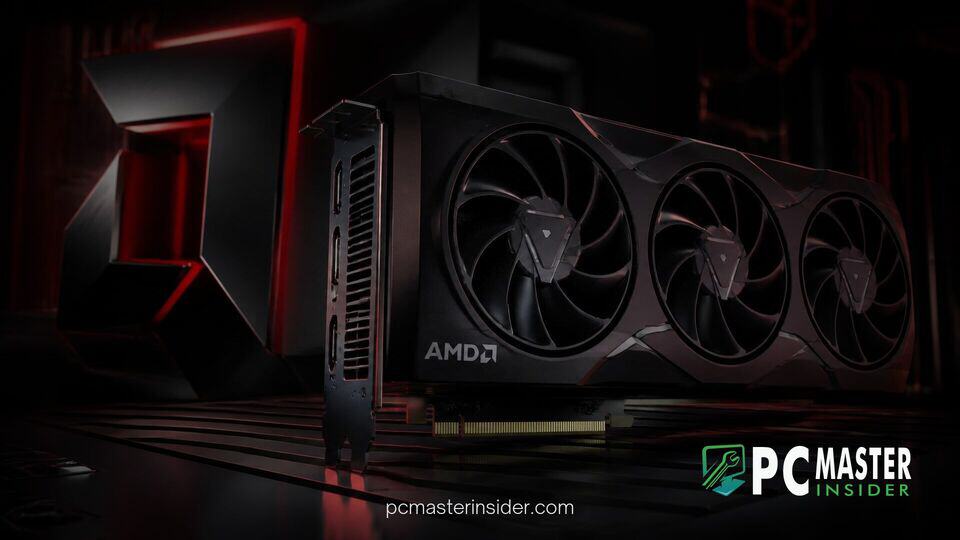
AMD has officially submitted its first patch series introducing initial GFX13 graphics IP enablement to the open-source AMDGPU Linux kernel driver. The codebase, posted by long-time AMDGPU maintainer Alex Deucher, represents over 12,600 lines of new code aimed at establishing early hardware support for AMD's next-generation graphics architecture, commonly known as RDNA 5.
This development marks a significant transition from early compiler experimentation to active driver enablement within the Linux ecosystem. By pushing these foundational patches to the Linux kernel mailing list, engineers are ensuring that open-source operating systems will feature robust, out-of-the-box compatibility well before future hardware reaches retail availability.
AMD RDNA 5 Linux Driver GFX13 Support and Hardware Enablement
The newly published patch series focuses on bringing up Graphics Core (GC) 13.x IP, introducing initial support targets for GFX 13.0.1 and GFX 13.0.4. While these target identifiers confirm multiple graphics IP configurations currently undergoing internal testing, they do not disclose specific consumer model names or final retail board configurations. The release follows several months of preliminary work across other open-source projects, including initial LLVM compiler back-end updates that first surfaced earlier in the year.
The submission specifically builds upon prior subsystem updates submitted to the Linux kernel, including AMD's work on modern Radeon platforms. Previous code commits had already introduced early support for the Display Core Next 6 (DCN6) engine, Interrupt Handler (IH) 8.0, and New Bus Interface (NBIF) 7.10 IP blocks. Combining these display and system controllers with the newly submitted GFX13 graphics core logic completes the first major structural layer of driver enablement for RDNA 5.
AMD Begins Groundwork for RDNA 5 Architecture
AMD has historically maintained an aggressive schedule for bringing open-source Linux drivers online long before hardware launches. This proactive approach allows developers to identify potential software bottlenecks, refine power management algorithms, and validate system stability across a wide variety of Linux distributions.
The transition to GFX13 represents a distinct architectural shift from the GFX11 (RDNA 3) and GFX12 (RDNA 4) generations. While incremental architectural tweaks frequently reuse previous generation driver blocks, skipping directly to a new major GFX family index signals substantial changes under the hood. Industry watchers note that early software infrastructure work usually precedes physical silicon deployment by several software development cycles.
Key Changes Introduced in GFX13 Driver Patches
The initial patch submission consists of eight dedicated code modules that integrate the core hardware definition files and register interfaces required by the kernel. Crucial elements established in this code drop include:
- Graphics Core Enablement: Integration of base registers and low-level initialization sequences for GC 13.0.1 and 13.0.4 targets.
- Subsystem Interoperability: Binding the GFX13 graphics pipeline directly with previously submitted DCN6 display logic.
- Memory and Bus Infrastructure: Laying groundwork to interact with updated memory controllers, including preparatory code for next-generation memory standards such as GDDR7.
- Kernel Driver Plumbing: Establishing base power management, ring buffer setup, and command submission paths within the main AMDGPU driver stack.
Impact on Next-Gen Radeon GPU Development
For open-source users and Linux gamers, early driver integration is vital. As gaming on Linux continues to gain traction, driven by advancements in Valve's Steam ecosystem and Mesa driver performance, timely driver upstreaming ensures day-one operational stability. Gamers tracking software trends know that Linux gaming platform adoption continues to grow, making day-one driver health a top priority for hardware vendors.
Properly maintaining kernel-level support allows developers operating graphics stacks like Mesa RADV (Vulkan) and RadeonSI (OpenGL) to start writing and optimizing user-space drivers. Without initial GFX13 kernel support, open-source compiler teams cannot effectively test shader compilation pipelines or validate complex graphics features on pre-release hardware.
What Linux Driver Commits Reveal About Future Hardware
Although the 12,600 lines of code primarily contain low-level register headers and initialization code rather than detailed architectural blueprints, they reveal clear strategic priorities. AMD is consolidating its display, memory, and compute infrastructure under unified Linux drivers well in advance. This approach avoids driver branch fragmentation, ensuring smooth software updates alongside standard consumer releases, similar to how regular Radeon driver updates resolve system crashes on existing platforms.
Timeline and Release Expectations
Given the timing of Alex Deucher's submission to the Linux kernel mailing list, Phoronix and other kernel watchers anticipate that initial GFX13 support will likely target inclusion in the upcoming Linux 7.5 kernel merge window. Subsequent kernel releases will likely expand on this foundation by introducing refined power management features, enhanced ray-tracing pipelines, and performance tuning patches.
As AMD continues to submit follow-up code to the open-source community, further details regarding compute unit organization, clock management, and memory configurations are expected to surface over the coming months. For now, these commits confirm that AMD's RDNA 5 architecture is actively moving through its software validation phase.