
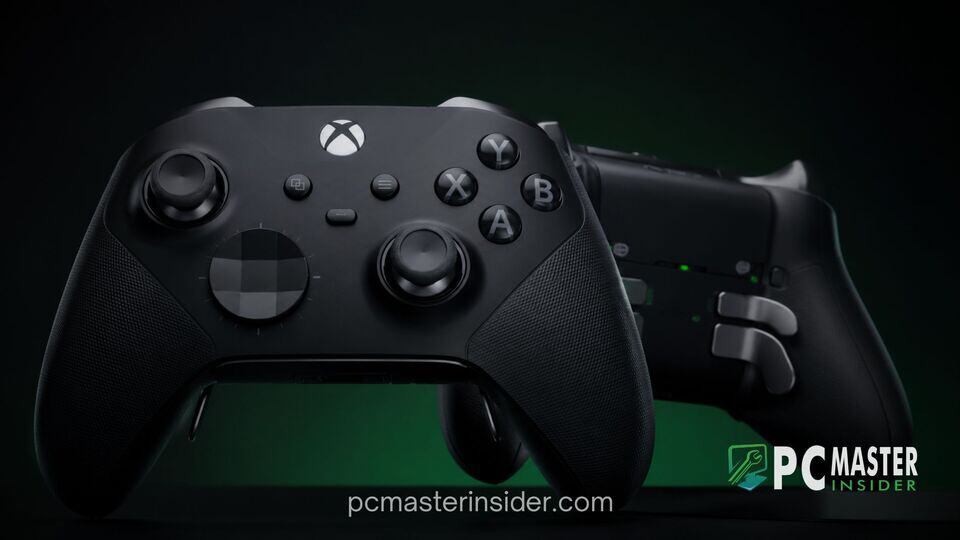
Leaked photographs appearing online show what appears to be an early prototype for Microsoft's next-generation Xbox Elite controller, hinting at potential design and feature upgrades. The images, which originated from an online reseller platform before being quickly removed, offer a rare glimpse into early hardware testing for the high-end gamepad line.
While Microsoft has not officially announced a successor to its popular premium controller line, industry observers suggest that an iteration focused on modern force feedback and improved durability has been in development for some time. Gamers and hardware enthusiasts have actively analyzed the leaked material to decipher what changes could make it into the final consumer release.
Prototype Images Surface for Xbox Elite Series 3
The recent Xbox Elite Series 3 prototype leak provides a fascinating look at an early development chassis, complete with internal component markings and temporary housing materials. The images depict an unfinished controller shell that retains the core silhouette of the current flagship model while making notable alterations to button placement, thumbstick housings, and rear paddle mounts.
According to hardware analysts who reviewed the high-resolution captures, the test unit features a slightly thicker central body and altered hand grip contours. These modifications suggest that Microsoft may be re-engineering the internal layout to accommodate larger rumble motors, advanced haptic actuators, or an expanded internal battery system. Early hardware revisions often undergo dozens of physical modifications before reaching final production, meaning the aesthetic choices in the photos may not reflect the finished product that eventually arrives on store shelves.
Key Hardware Features and Design Changes
Among the most prominent details visible in the leaked photos is a redesigned thumbstick assembly. The prototype appears to feature a revised magnetic attachment system, potentially aimed at reducing long-term wear and eliminating the stick drift issues that occasionally affected earlier generations. The thumbstick bases feature reinforced metallic rings and altered tension adjustment mechanisms, indicating a push toward enhanced precision for competitive players.
Additionally, the rear of the controller shows an updated paddle configuration. Rather than the traditional long metal levers used on the Series 2, this prototype tests smaller, flush-mounted buttons and shorter paddle slots. The trigger stops also appear to have three distinct lock settings, giving players finer control over pull distance for different gaming genres. Inside the shell, exposed circuit board traces suggest the presence of haptic feedback hardware similar to the immersive force feedback systems found in modern rival controllers.
Origins of the Reseller Leak and Quick Removal
The leak first surfaced on a secondary marketplace forum, where an anonymous user listed an Xbox hardware testing kit and prototype components for sale. Such items are typically used internally by engineering teams or external quality assurance partners to evaluate thermal performance, ergonomic comfort, and mechanical reliability. Within hours of the initial posting, the listing was pulled down, though mirrors and screenshots quickly circulated across social media platforms and gaming communities.
Hardware leaks from supply chains and third-party testing facilities are not uncommon in the video game industry. Development kits and early structural shells frequently move through international manufacturing plants, increasing the likelihood that unreleased hardware details escape into the public domain. While Microsoft has refrained from commenting on the leak directly, the rapid removal of the original sales listing points toward standard intellectual property enforcement protocols enforced by tech manufacturers.
What to Expect from Microsoft's Next Flagship Gamepad
The original Xbox Elite controller launched in 2015, establishing a benchmark for customizable, premium gamepads aimed at core gamers and esports competitors. Its successor, the Elite Series 2, arrived in 2019 with adjustable-tension thumbsticks, a wraparound rubberized grip, and a built-in rechargeable battery. Given the typical multi-year lifecycle of premium gaming peripherals, an updated entry in the Elite lineup would fit seamlessly into Microsoft's hardware timeline.
Leaked internal court documents from previous years also referenced a refreshed controller project codenamed Sebile, which outlined plans for advanced haptics, an accelerometer, modular thumbsticks, and quieter button switches. The prototype featured in the latest images appears to align with several of those long-term hardware goals, signaling that Microsoft remains focused on bringing immersive, high-precision control schemes to its Xbox console and Windows PC ecosystems.
Until Microsoft delivers an official announcement, details regarding pricing, release windows, and confirmed features remain speculative. However, the presence of functional prototype hardware indicates that the next evolution of Xbox controller technology is well underway, setting high expectations for players seeking the ultimate competitive gamepad experience.