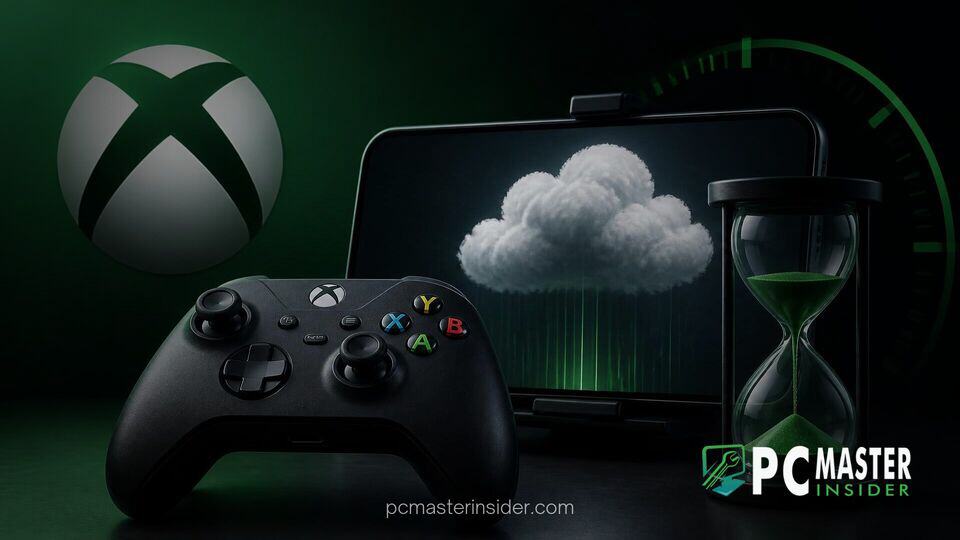
Microsoft has announced that it will introduce monthly playtime caps across its Xbox Cloud Gaming infrastructure beginning in November 2026. The major shift ends years of unlimited game streaming, requiring Game Pass members to manage a restricted pool of cloud hours every month.
Under the new policy, streaming access will be limited based on subscription tier, ranging from 5 to 15 hours per month. Once players exhaust their allocated time, they will need to purchase additional hour extensions through the Xbox Store to continue playing via the cloud.
Xbox Cloud Gaming Monthly Hour Limits and Tier Breakdown
Microsoft confirmed that the new hourly caps for the Xbox Game Pass platform will depend on the subscriber tier. The basic Essential plan ($9.99/month) will provide 5 hours of cloud streaming per month. The mid-tier Premium plan ($14.99/month) includes 10 hours. Game Pass Ultimate ($19.99/month) tops out at 15 hours of streaming time per billing cycle.
The operational limits represent a notable shift from the current model, which allows eligible subscribers to stream supported titles without any time restrictions. Microsoft noted that subscribers who hit their monthly cap will have the option to buy extra cloud blocks, though exact standalone pricing for additional hours has not yet been detailed.
Breakdown of Playtime Limits Across Game Pass Tiers
- Game Pass Essential: 5 hours of cloud streaming per month.
- Game Pass Premium: 10 hours of cloud streaming per month.
- Game Pass Ultimate: 15 hours of cloud streaming per month.
Reasons Behind Microsoft's Shift Away from Unlimited Cloud Streaming
In an official statement detailing the decision, Microsoft cited rising operational infrastructure costs as the primary driver behind the policy change. Streaming high-performance video games requires significant server bandwidth and rack availability, particularly as more players engage in lengthy gaming sessions over handhelds, PCs, and smart TVs.
Company data indicates that cloud delivery costs scale drastically with total playtime. Microsoft explained that limiting continuous streaming hours allows the company to maintain service stability and continue upgrading server performance without imposing broad price hikes across all Game Pass memberships. Industry analysts also point to broader hardware supply pressures, as enterprise server components and memory costs continue to rise across the tech sector.
Impact on Subscribers and Paid Extension Options
Microsoft estimates that the incoming xbox cloud gaming monthly hour limits will directly affect approximately 4% of its active cloud streaming audience. According to the company's internal telemetry, the vast majority of subscribers use cloud gaming primarily as a quick trial feature to check out games before downloading them, or for short play sessions on mobile devices.
However, the announcement has sparked immediate friction among core players who rely on xCloud as their primary access point. Gamers without native hardware like consoles or dedicated rigs rely heavily on cloud streaming to enjoy modern releases. With a 15-hour limit on the top tier, an Ultimate subscriber playing just 30 minutes a day would exhaust their entire monthly allotment well before the end of the month.
Subscribers who run out of time will be prompted to purchase hour top-ups, a system similar to data caps used by mobile network carriers. While Microsoft acknowledged that this will result in higher costs for power users, it maintains that the model keeps base subscription fees stable for casual players.
Implementation Timeline and Future Cloud Gaming Outlook
The new playtime limits are scheduled to roll out globally in November 2026. Between now and the official enforcement date, existing Game Pass members will continue to enjoy unrestricted streaming under their current plans.
This policy change places Microsoft at a distinct strategic point compared to competing services. Platforms like NVIDIA GeForce NOW offer significantly higher caps, providing up to 100 hours per month on top tiers. How the gaming community adapts to Xbox's strict streaming boundaries will likely determine whether Microsoft maintains these caps long-term or adjusts them in response to user feedback.
As cloud gaming infrastructure matures, balancing server upkeep with subscription value remains one of the toughest challenges for platform operators. The coming months will reveal whether pay-as-you-go cloud hours become the new norm across the broader games industry.