
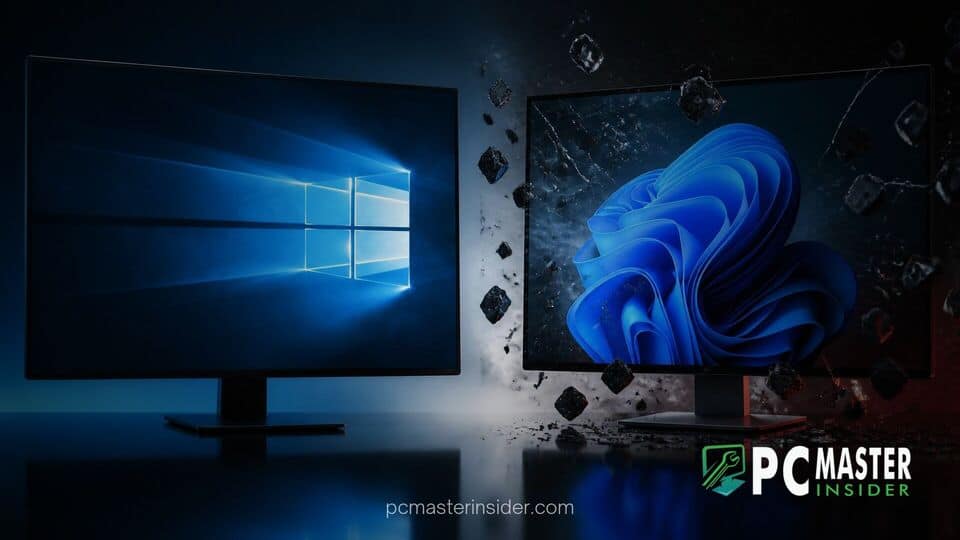
Comparative tracking of Microsoft's monthly security releases across 2026 shows that Windows 10 has maintained a noticeably higher level of operating system stability than Windows 11. Despite reaching its formal end of support in October 2025 and moving into Extended Security Updates, the legacy platform experienced far fewer update regressions, post-patch crashes, and feature breakages than its successor.
Analysis Reveals Windows 10 Stability Edge Over Windows 11
Independent tracking of monthly Patch Tuesday releases indicates that Windows 11 users experienced recurring update issues throughout eight of the first nine months of 2026. In contrast, Windows 10 update stability vs Windows 11 performance metrics demonstrate that the older operating system delivered a significantly smoother maintenance cycle. While Windows 11 was repeatedly hit by high-profile bugs affecting core subsystem functionality, Windows 10 updates consisted primarily of targeted security hardening that rarely introduced unexpected side effects.
The stark difference in operational reliability highlights the structural divergence between the two platforms. Windows 10 is fundamentally a frozen operating system that receives strictly vetted security patches. Meanwhile, Windows 11 continues to receive frequent feature additions, experimental user interface shifts, and integrated AI tools, making each monthly rollup far more complex and susceptible to code regressions.
Comparing Monthly Patch Tuesday Regressions Across 2026
A month-by-month examination of software updates released in 2026 highlights the differing experiences of administrative teams and everyday users. Windows 11 started the year with January updates that triggered black screens, broke Outlook profiles, and stalled remote authentication sessions. By contrast, Windows 10 systems processed security updates with minimal friction, keeping maintenance overhead low for participating enterprise environments.
As the year progressed, Windows 11 faced additional operational challenges. Spring and summer updates brought boot loops for certain server configurations, BitLocker recovery key prompts, and severe performance throttling on select desktop configurations. Microsoft frequently had to issue emergency out-of-band updates, such as targeted rollbacks for specific OEM hardware. Many IT departments found themselves regularly dealing with Windows 11 update black screen bugs and unexpected system freezes shortly after applying mandatory monthly security rollups.
The late summer updates proved particularly problematic for Windows 11 installations. In August and September, users encountered broken printer configurations, PDF rendering failures, and disrupted USB audio functionality. Furthermore, Microsoft was forced to acknowledge a widespread issue where recent updates interfered with Windows 11 File History backup functionality, causing the service to report drive errors or crash entirely. Over the same nine-month period, Windows 10 encountered only a single major widespread regression related to BitLocker prompts in June, solidifying its reputation as a predictable computing baseline.
Impact of Frequent Windows 11 Update Bugs on Users
The high frequency of software regressions in Windows 11 has created tangible disruptions for both enterprise administrators and individual consumers. Business networks experienced unexpected downtime when updates disrupted network connectivity, including instances where mandatory patches broke enterprise Always On VPN connections. When core infrastructure tools hang or fail, system administrators must pivot from routine operations to emergency troubleshooting, rollback deployment, and testing.
Individual workers and creative professionals faced productivity losses when essential office tools malfunctioned. For example, recent cumulative updates introduced an unexpected flaw that broke basic operations in productivity software, requiring Microsoft to rush out targeted fixes for Excel copy and paste bugs caused by Windows 11 updates. These repeated software defects have undermined user confidence in automatic updates, leading many individuals and organizations to intentionally delay monthly installations to avoid unverified software bugs.
Industry analysts point out that the continuous integration of artificial intelligence services and modular components into Windows 11 significantly expands its attack surface and code complexity. With Microsoft pushing ambitious features like Copilot integrations and dynamic desktop widgets alongside security patches, the likelihood of unexpected software interactions increases substantially compared to simpler, static software builds.
Why Windows 10 Remains a Reliable Alternative Until Extended Support Ends
For organizations prioritizing system stability over new feature sets, Windows 10 has proved to be an exceptionally durable choice. Because Microsoft ceased adding new consumer capabilities to Windows 10 prior to its main support deadline, the underlying operating system kernel and core system binaries remain essentially unchanged. Security updates focus almost exclusively on addressing vulnerabilities without altering system behavior or changing system APIs.
This static state offers a level of predictability that many IT professionals value. As long as devices are enrolled in the Extended Security Updates program, administrators can deploy monthly patches with high confidence that underlying hardware drivers, peripheral devices, and legacy software applications will continue working without interruption. Consequently, a large portion of the global desktop market continues to rely on Windows 10 for mission-critical workstations, engineering systems, and specialized point-of-sale hardware.
Even among technical communities where early adoption of new software is typical, resistance to Windows 11 remains notable. Broad survey data gathered throughout the year underscores this reluctance, with a developer survey showing limited primary Windows 11 usage in 2026 among engineering professionals who prefer predictable, low-maintenance development environments.
While Microsoft continues to refine Windows 11 with new preview releases, structural adjustments, and security features, 2026 data clearly indicates that Windows 10 remains the more stable platform for basic daily operations. For users who value seamless, hassle-free updates above all else, the legacy OS continues to set the standard for stability until its extended support period eventually concludes.