
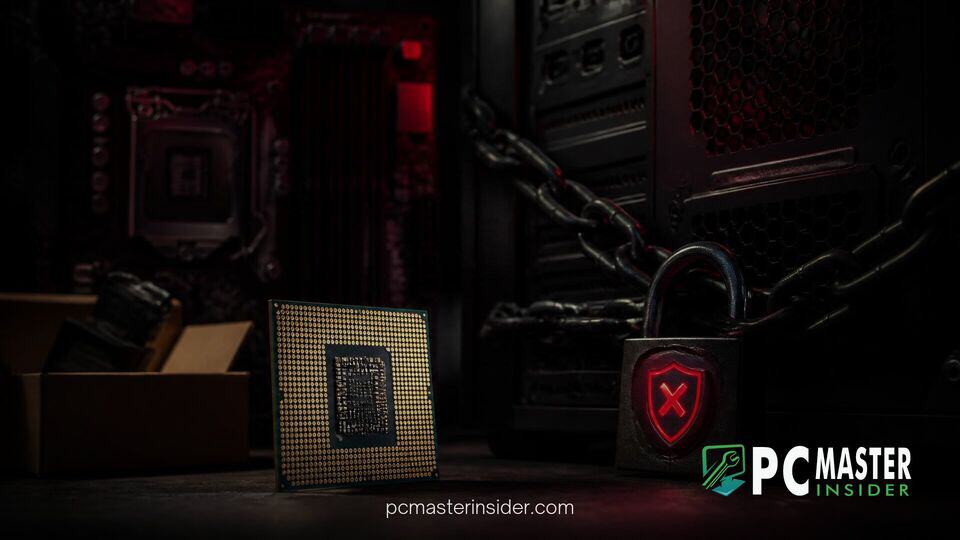
Gamers purchasing secondhand PC components face an unforeseen threat: inheriting hardware identification bans caused by the previous owner's cheating. Because major anti-cheat developers do not publish public lookup tools for component serial numbers, buyers have no direct way to check a component's status before completing a transaction.
The issue gained widespread attention after a German gamer purchased a secondhand AMD Ryzen 7 5800X3D processor on an online marketplace. While the processor functioned properly in standard desktop applications, launching competitive multiplayer games like Valorant resulted in an immediate account suspension and game access lockout.
Used PC Processors Risk Carrying Hidden Anti-Cheat Hardware Bans
Modern anti-cheat software relies on hardware ID (HWID) tracking to prevent persistent cheaters from simply creating fresh accounts on banned systems. When software detects malicious software, it generates a unique digital fingerprint of the system's underlying components. In addition to motherboards and storage drives, central processing units are frequently logged to blacklists managed by game security teams.
This security mechanism presents a serious dilemma for the secondhand PC hardware market. When dishonest or banned players offload their flagged processors on peer-to-peer marketplaces, buyers unknowingly acquire blacklisted hardware. Upon installing the part, the buyer's system triggers security alarms, preventing them from accessing online servers or titles reliant on kernel-level security.
While software glitches like false antivirus turned off alerts in Windows 11 can be patched via standard software updates, hardware bans persist across complete operating system reinstallations. Gamers who buy secondhand components with a hidden ban often find their support tickets rejected by automated help desks or strict enforcement policies.
How Anti-Cheat Systems ID Hardware and Target CPU Serials
Anti-cheat engines such as Riot Games' Vanguard, Epic Games' Easy Anti-Cheat, and Valve's security infrastructure operate deep within the operating system architecture. Rather than relying on simple software tokens or IP addresses, these programs access hardware features to construct a permanent system identifier.
To identify individual CPUs accurately, modern anti-cheat solutions leverage hardware-based security features. Most modern processors incorporate a firmware Trusted Platform Module (fTPM). The TPM contains a unique, factory-injected public Endorsement Key that cannot be altered or spoofed through standard software modifications. When games enforce security protocols requiring TPM 2.0 and Secure Boot, the anti-cheat engine reads this immutable key alongside system BIOS tables and motherboard serials.
Responding to public discussion regarding the recent Ryzen 7 5800X3D incident, Riot Games head of anti-cheat Phillip Koskinas clarified on social media that Vanguard's hardware bans are temporary, lasting a maximum of four months. Koskinas noted that support teams disclose the remaining duration upon request and denied that matching a single component automatically adds the buyer's entire PC to a permanent blacklist. However, other competitive game publishers utilize indefinite or permanent hardware bans, meaning affected processors may remain blocked on specific titles permanently.
The Lack of Pre-Purchase Verification Tools for Second-Hand Buyers
The primary challenge for budget-conscious gamers is the complete absence of a public serial number database. Neither game developers nor hardware manufacturers provide online lookup portals where a buyer can input a processor serial number or fTPM key to check its ban status.
This dynamic leaves secondhand buyers without consumer safeguards. A seller can easily demonstrate that a processor passes stress tests or boots into Windows, hiding the fact that the chip is barred from competitive games. Because anti-cheat companies prioritize security secrecy to prevent cheat developers from reverse-engineering their fingerprinting algorithms, developers remain hesitant to offer public status checks.
As security requirements tighten across modern platforms, hardware tracking is expanding. Similar to how the Windows 11 Cloud Rebuild storage sanitization feature works directly with hardware-level security to protect user data, anti-cheat utilities rely on hardware components to enforce system integrity. Unfortunately, when hardware enforcement collides with the secondary market, legitimate buyers bear the burden.
Impact on the Used PC Component Market and Advice for Gamers
The realization that a used CPU can carry a hidden hardware ban threatens consumer confidence in secondhand marketplaces. With high-end PC parts continuing to command premium prices, many builders rely on platforms like eBay, Facebook Marketplace, or local classifieds to construct affordable systems. Buyers are now forced to weigh component health against the hidden risk of software blacklisting.
Hardware analysts recommend several precautions for consumers purchasing secondhand processors or motherboards:
- Use Platforms with Buyer Protection: Purchase used components through platforms that offer buyer protection guarantees. If a component arrives with an undisclosed hardware ban, buyers can open a dispute for misrepresentation.
- Request In-Game Proof: Before completing a local cash transaction, ask the seller for video evidence showing the specific component running competitive multiplayer games without error screens.
- Avoid Suspicious Bargains: Exercise extreme caution when sellers offer top-tier gaming processors at deep discounts without reasonable explanations.
- Document Purchases: Keep complete records of communication, receipts, and serial numbers. If an issue occurs, documented proof helps when filing claims with payment processors.
As hardware-level security becomes standard in modern operating systems and online games, game developers face growing pressure to address secondary market collateral damage. Until anti-cheat providers offer a transparent method to verify hardware status, buyers must remain vigilant when purchasing pre-owned computer hardware.