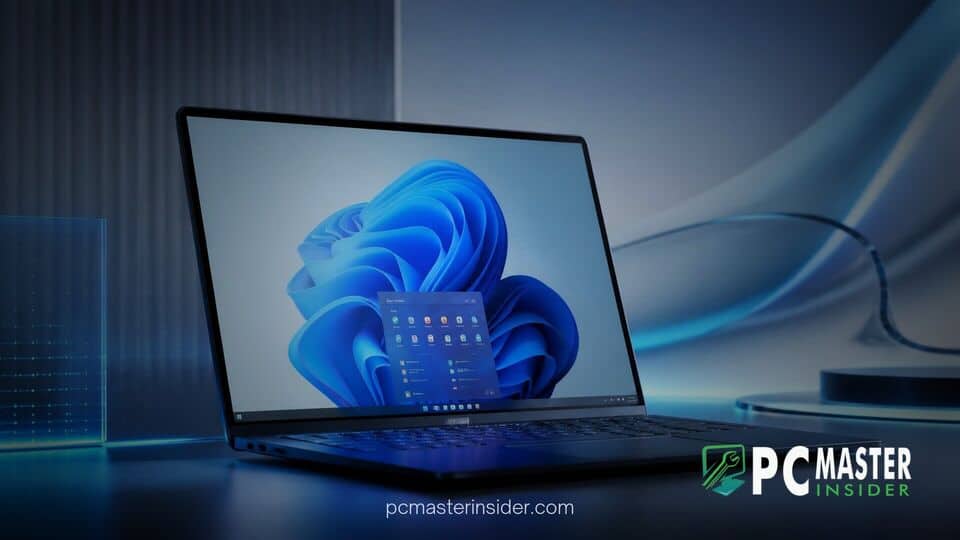
Developer NTDEV has released a major redesign for Tiny11 Builder, introducing a modern WinUI 3 interface and full servicing compatibility for Windows 11 26H2. The updated utility simplifies the creation of lightweight, bloat-free installation images tailored for low-resource environments and unsupported hardware.
Tiny11 Redesign Windows 11 26H2: Modern Interface Meets Enhanced Functionality
The latest iteration of Tiny11 Builder represents a ground-up overhaul of the popular debloating utility. Built around a native WinUI 3 interface, the application aligns closely with Microsoft's contemporary design standards. Beyond aesthetic improvements, the update addresses crucial image servicing bugs and provides users with granular control over which built-in features, services, and default apps to strip during ISO generation.
Addressing 26H2 Image Servicing and Tool Compatibility
A primary technical highlight of the release involves fixing servicing compatibility glitches on newer Windows deployment builds. Previous versions of deployment tools frequently rejected Windows 11 26H2 images due to build number mismatches. The updated builder resolves this issue by checking the underlying servicing providers rather than relying solely on the application launcher, allowing seamless creation of lightweight ISOs from official target media.
Host system flexibility has also been expanded. Users running Windows 10 host machines can now build customized Windows 11 26H2 ISOs directly, provided compatible deployment tools are present. These under-the-hood engine improvements ensure that power users can generate custom deployment images across various host environments without encountering unexpected build breaks.
Key Features of Debloated Windows Installations
Tiny11 Builder operates by modifying official Windows 11 image files before installation. By purging resource-heavy pre-installed packages like Microsoft Teams, OneDrive, Clipchamp, Xbox services, and telemetry agents, the script yields a significantly reduced installation footprint. On clean deployments, disk space usage drops dramatically compared to standard installations, making it an attractive option for secondary PCs or virtual machines.
In addition to stripping unwanted apps, the tool supports bypassing mandatory online account requirements during initial setup. Users looking to maintain offline local profiles can complete setup without jumping through complex network bypass workarounds, matching recent community fixes seen across utility tools. Readers interested in underlying performance changes can examine how Windows 11 26H2 lowers desktop memory consumption out of the box.
Customization Profiles and Build Efficiency Improvements
The revised application offers distinct workflow profiles. The standard automated workflow strips non-essential telemetry and consumer apps while preserving critical platform features, including Microsoft Defender, Windows Recovery, and Windows Update. For advanced users who require customized configurations, the new interface includes a dedicated Custom mode that lets users individually toggle specific components, services, and optional system apps.
Processing performance has also been optimized with the inclusion of a Turbo mode designed to speed up image extraction, package removal, and final file compression. Furthermore, the updated build process includes state retention, allowing interrupted image builds to resume smoothly without restarting the entire extraction pipeline. To ensure system stability when running slimmed-down builds, users should monitor driver updates, such as the Intel GPU update for Windows 11 26H2 support.
Compatibility and Community Expectations for Unsupported Hardware
Because official operating system requirements remain rigid, lightweight modification projects like Tiny11 remain popular among enthusiasts running legacy hardware. By stripping redundant background services, modified builds drastically reduce idle memory overhead, extending the usability of older systems that lack TPM 2.0 or modern processor compatibility. However, modified images remain community-maintained projects rather than official products.
While lightweight images offer noticeable speed gains on older PCs, users should exercise caution. Certain enterprise features, language packs, or optional updates may require manual intervention if core dependencies were stripped during the build phase. Those working with specialized system setups should also review potential software conflicts, such as the risks when running dual antivirus tools on Windows 11.
The redesigned Tiny11 Builder delivers a refined, efficient solution for users seeking total control over their operating system footprint. As Microsoft continues to expand its core feature set, lightweight build scripts offer an essential alternative for maintaining lightweight, high-performance computing environments.