
Microsoft and its primary hardware partners have quietly begun phasing out the flagship Copilot Plus PC moniker from recent hardware listings, storefronts, and marketing materials. While the underlying Neural Processing Unit (NPU) performance requirements remain intact on the latest devices, the explicit consumer badge is rapidly disappearing from product titles.
The subtle marketing shift marks a major pivot in how Windows 11 computers are positioned to consumers and enterprise buyers. Rather than relying on a specialized brand umbrella, Microsoft and major PC manufacturers are redirecting their messaging toward standard technical specifications, battery life metrics, and overall performance.
Microsoft Drops Copilot Plus PC Branding in Subtle Marketing Pivot
When Microsoft launched the Copilot Plus PC program, it positioned the designation as a revolutionary tier of AI-first Windows hardware. Laptops bearing the badge were required to feature a dedicated NPU delivering at least 40 Trillion Operations Per Second (TOPS), alongside 16GB of RAM and 256GB of local storage. However, recent revisions to product listings and new device releases show that microsoft drops copilot plus pc branding across key retail and enterprise channels.
Industry observers first noticed the change when newly updated laptop configurations and Surface hardware revisions omitted the familiar brand suffix from official product names. While the underlying system architecture still includes powerful NPUs capable of processing local machine learning models, promotional materials now focus heavily on core hardware parameters like processor clock speeds, memory bandwidth, and thermal efficiency.
Disappearance from Latest Surface Laptops and Hardware Listings
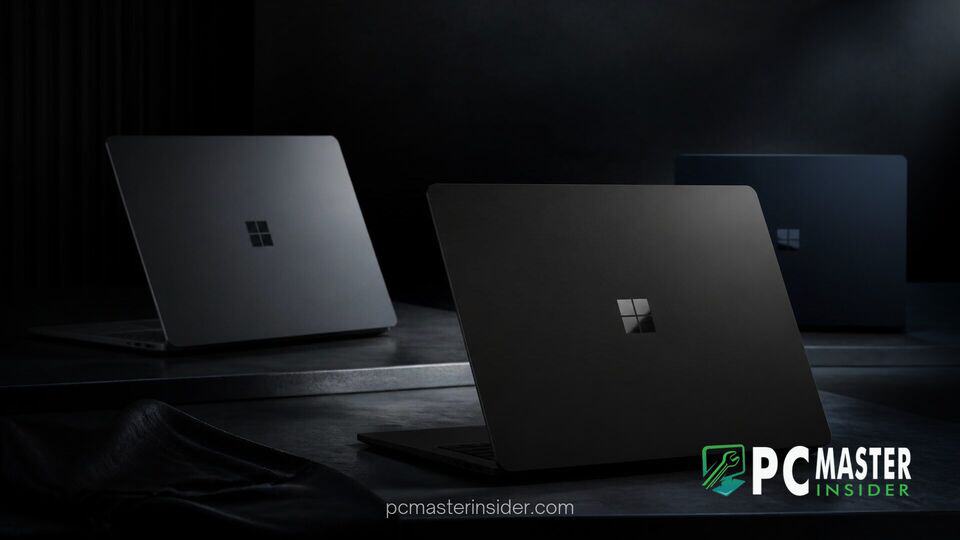
The quiet retirement is most evident within Microsoft's own hardware portfolio. Recent product pages for Surface devices no longer emphasize the Copilot Plus PC label in headlines or prominent banner artwork. Users looking to inspect device capabilities are instead greeted by traditional technical spec sheets detailing silicon architecture and battery life metrics. The change follows several system updates where software features were adjusted, including recent builds where Microsoft releases Windows 11 updates with Copilot key remapping controls and user experience tweaks.
Addressing the marketing shift, Surface Corporate Vice President Brett Ostrum confirmed in interviews with technology media that new systems are no longer specifically referred to as Copilot Plus PCs, even though they satisfy or exceed the previous hardware bar. "The purpose for Copilot+ PCs was to be able to deliver experiences," Ostrum explained, noting that the label served primarily to establish an initial hardware baseline rather than function as a permanent marketing moniker.
Similarly, key silicon partners have signaled a parallel transition. Qualcomm Senior Vice President of Compute Kedar Kondap noted that the initial program was designed to establish a performance baseline for NPU-driven experiences. As high-performance NPUs become standard across modern chipsets, manufacturers expect the standalone branding to naturally recede.
Why PC Makers Are Pivoting to Standard Technical Specs
The decision by original equipment manufacturers (OEMs) to pull back on AI-focused branding stems from mixed consumer reactions and changing market dynamics. During the initial push, buyers were often confused by the distinction between cloud-based AI services and local NPU workloads. Furthermore, early software stumbles, such as privacy concerns surrounding background screenshot indexing and feature delays, created friction among enterprise IT buyers.
Rather than pushing a brand name that required extensive consumer education, computer manufacturers are finding greater success highlighting direct user benefits. Clear metrics such as multi-day battery life, slim chassis designs, and silent fanless operation resonate more immediately with average consumers than abstract TOPS performance figures.
Hardware makers are also adjusting to broader system updates across the Windows ecosystem. For instance, as Microsoft overhauls Windows 11 Start menu customization options and modernizes core OS elements, desktop usability and interface performance have taken center stage over forced AI integrations.
What the Branding Change Means for Windows 11 AI Features
The disappearance of the marketing name does not mean Windows 11 is abandoning local machine learning capabilities. Windows local AI features such as Live Captions, audio effect filters, and image generation tools remain fully functional on compatible hardware. Microsoft is simply decoupling these software capabilities from a strict hardware brand name.
By shifting focus back to standard hardware specifications, Microsoft and OEM partners are allowing AI acceleration to become a standard background component of modern computing rather than a separate product category. Moving forward, consumers shopping for laptops will evaluate NPUs much like GPUs or system memory: as an expected built-in specification rather than a novelty badge attached to the chassis.
Ultimately, the phase-out reflects a practical maturation of the PC market. As neural processing hardware becomes universal across silicon suppliers, the need for a dedicated marketing category diminishes, paving the way for a simpler, specs-driven buying experience.