
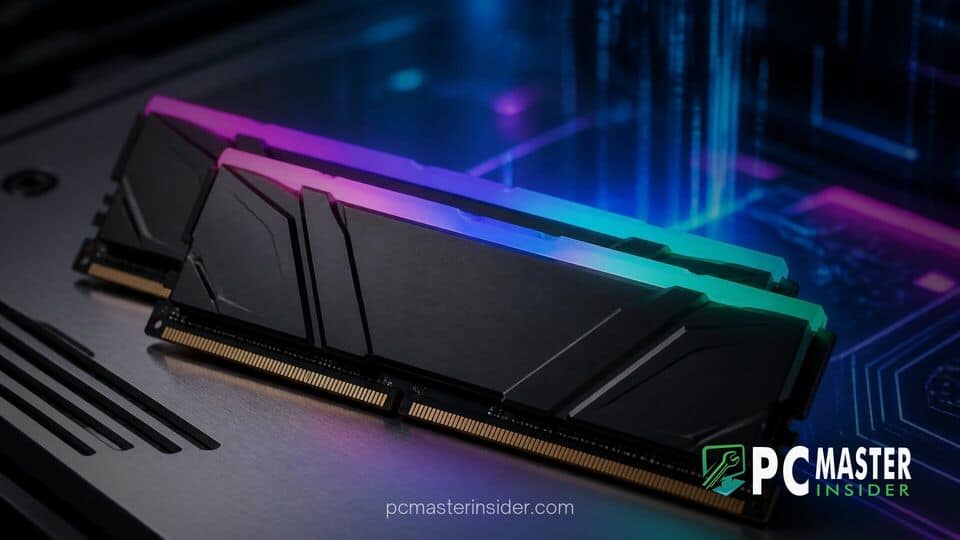
Automated software programs are overwhelming major online computer hardware retailers as the global supply of next-generation DDR5 memory continues to shrink. The combination of intense consumer demand, tight manufacturing yields, and aggressive scalper operations has left everyday custom PC builders struggling to secure memory kits at manufacturer suggested prices.
As semiconductor supply chains face ongoing structural constraints, secondary marketplace listings for high-speed memory modules have surged to record levels. Industry analysts warn that without stronger bot detection measures and expanded fabrication output, normal retail availability for DDR5 memory modules may remain severely compromised for months to come.
DDR5 Scalper Bots Memory Shortage Overview
The convergence of automated scalper bots and a growing DDR5 memory shortage has created unprecedented friction in the consumer PC hardware sector. Online storefronts are experiencing heavy traffic surges the moment new memory stock is listed, with automated scripts purchasing available inventory within seconds before human buyers can complete checkout. This artificial scarcity allows resellers to list high-demand RAM kits on third-party auction sites at markups exceeding twice their original retail prices.
Automated Scalper Bots Hijack 91% of DDR5 Retail Traffic
E-commerce security researchers report that automated bot activity during high-demand hardware drops has reached extraordinary levels. Instead of standard human browsing patterns, online shopping systems are being inundated with automated requests designed to bypass digital waiting rooms, add items to cart, and process payment information instantly.
In many instances, these scripts operate across thousands of distributed proxy IP addresses. This strategy makes it extremely difficult for standard web application firewalls to distinguish between a legitimate consumer refreshing a product page and a sophisticated network of purchase automation software.
DataDome Research Exposes Aggressive Scraping Tactics
Cybersecurity firm DataDome released analytical data examining traffic patterns during recent high-profile memory stock releases. The findings revealed that automated scraping and purchasing traffic accounted for up to 91 percent of total request volume on product pages hosting high-performance DDR5 kits.
The research highlighted how operators utilize headless browsers and advanced credential stuffing techniques to simulate realistic user behavior. By continually scraping inventory endpoints every few milliseconds, these automated bots detect inventory updates faster than any standard web browser page refresh could ever register.
Rising RAM Costs and the Impact on PC Builders
For custom PC builders, system integrators, and budget-conscious consumers, the practical effect of this market squeezing is significant price inflation. High-performance dual-channel DDR5 kits, which represent a core component for modern desktop processors, have become one of the hardest parts to source without paying secondary market premiums.
The elevated costs affect not just individual hobbyists, but also small system assembly companies that rely on predictable hardware pricing to build custom workstations and gaming desktops. Industry groups note that hardware costs across the board are being impacted, as builders either delay system upgrades entirely or reallocate budget from other essential components, such as graphics cards and storage drives, to afford inflated memory prices.
Furthermore, the scarcity has slowed down consumer adoption of newer motherboards and central processing units that exclusively require DDR5 memory modules. When memory costs represent a disproportionately large percentage of a total system budget, consumers frequently choose to prolong the lifespan of their existing DDR4 systems rather than absorb the market premium required for a current-generation platform upgrade.
How E-Commerce Retailers Are Responding
In response to growing customer dissatisfaction, major online technology retailers are implementing multi-layered security frameworks to curb bot activity and restore fair purchasing access. These solutions range from mandatory account verification and strict purchase limits per household to behavioral analysis algorithms that flag fast checkout sequences.
Some hardware retailers have transitioned to lottery-based purchasing systems or invitation-only queues, where verified users are randomly selected for the opportunity to buy stock during restricted time windows. While these measures have helped slow down basic scripts, advanced bot operators continually modify their code to evade newly introduced detection mechanisms.
Component manufacturers are also working to address the fundamental bottleneck by expanding silicon wafer production and improving manufacturing yields for high-density memory chips. However, bringing additional semiconductor fabrication capacity online requires substantial capital investment and extended ramp-up timelines, meaning physical supply increases will take time to fully reach store shelves.
Until overall manufacturing capacity aligns with worldwide demand, the arms race between retail security engineers and scalper bot operators will remain a central challenge for the consumer technology sector. Everyday buyers are advised to monitor official inventory channels, utilize verified retail waiting queues, and avoid purchasing marked-up components from unverified third-party sellers.