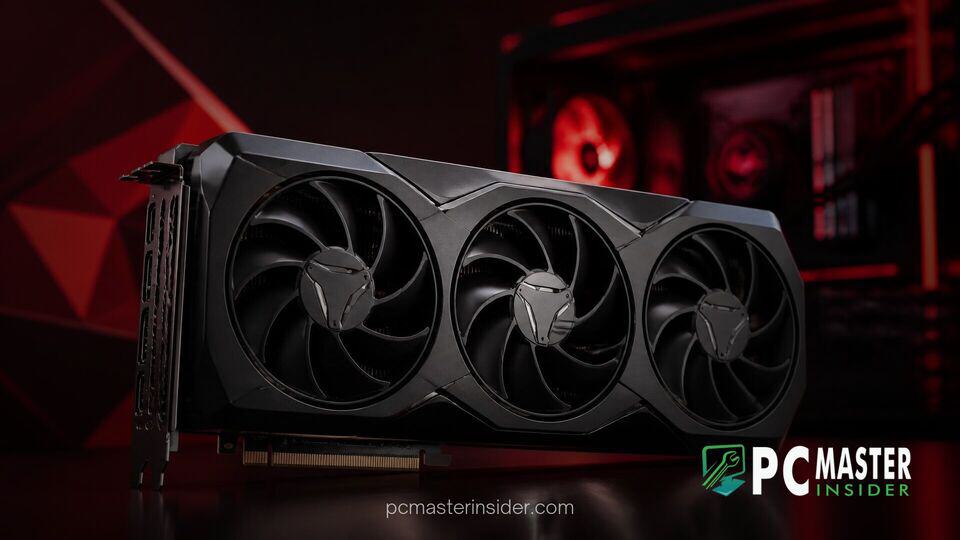
The latest results from Valve's monthly telemetry data show that the AMD Radeon RX 9070 XT has officially become the top discrete Radeon graphics card on the platform. According to figures from the survey, adoption of the RDNA 4 desktop flagship has steadily climbed, cementing its position as the most popular dedicated AMD GPU among surveyed PC gamers.
While competitor NVIDIA continues to maintain an overall majority in market share, the steady rise of RDNA 4 silicon highlights a clear shift in consumer preference within the AMD ecosystem. Gamers upgrading their systems are increasingly opting for current generation hardware rather than holding onto older budget favorites.
AMD Radeon RX 9070 XT Steam Hardware Survey Milestones
The latest survey data indicates that the AMD Radeon RX 9070 XT reached a 1.46% share of all surveyed systems, securing its rank as the leading discrete Radeon card on Steam. This represents a steady monthly increase, growing from 1.33% when individual RDNA 4 graphics cards were first separated from generic driver identifiers in the dataset.
Prior to this milestone, older budget and mid-range offerings such as the Radeon RX 6600 held the top dedicated GPU positions for AMD. Now, the RX 9070 XT leads the internal Radeon rankings, followed by the RX 6600 at 0.83% and the mid-range RX 9060 XT closely behind at 0.80%. The milestone demonstrates strong momentum for AMD's flagship desktop card compared to legacy offerings.
Radeon RX 9070 XT Claims Top AMD Spot on Steam
The swift rise of the RX 9070 XT to the top of AMD's internal rankings underscores a major transition point for custom PC builders. For years, budget conscious options from prior architectures dominated Valve's metrics whenever individual Radeon cards managed to chart. The shift to a modern high performance model taking the primary position signals that enthusiast and upper mid-range PC gamers are actively adopting AMD's latest desktop lineup.
Prior driver reporting issues on Steam previously lumped many modern Radeon cards under generic display adapters or integrated graphics placeholders. Now that proper identification algorithms are active in Valve's reporting tool, accurate individual adoption metrics show that current generation hardware is selling far better than older survey snapshots originally implied.
Market Share Growth for AMD RDNA 4 Architecture
A major driving factor behind the adoption of RDNA 4 GPUs is the hardware improvements introduced in this generation. Built on refined manufacturing nodes, the architecture delivers enhanced ray tracing throughput, improved energy efficiency, and dedicated matrix compute units that support up to date software features.
In particular, expanded driver support for FidelityFX Super Resolution 4 (FSR 4) and targeted game optimizations have made the card an attractive choice for higher resolution target displays. Regular software updates, such as recent release cycles optimized for high profile title stability, have helped maintain buyer confidence in the software ecosystem.
Industry analysts note that pricing dynamics have also favored AMD in the upper mid-range market segment. While rival graphics hardware faced sporadic price hikes and inventory shifts, competitive street prices for custom board designs allowed the RX 9070 XT to offer an enticing price to performance ratio.
Comparing AMD and NVIDIA GPU Adoption Rates
Despite AMD's internal success with RDNA 4, NVIDIA continues to hold a dominant share of the total discrete GPU landscape on Steam. Overall platform figures place NVIDIA's total usage share well above 70%, driven largely by pre-built desktop systems and gaming laptops.
To put the rankings in context, popular midrange options like the GeForce RTX 3060, RTX 4060 Laptop GPU, and RTX 5070 each maintain individual platform shares hovering between 3.7% and 3.9%. The RX 9070 XT sits further down the overall chart near position 25, competing closely with cards like the GeForce RTX 3080 and RTX 5080.
However, retail reports from major international hardware distributors paint a slightly different picture in the standalone component market. While NVIDIA dominates pre-built systems, the RX 9070 XT has repeatedly featured as a top seller for DIY PC upgrades, helping explain its steady month over month gains on Valve's opt in survey.
Impact on Mainstream PC Gaming Hardware Trends
The broader trends recorded in Valve's monthly survey reflect an evolving baseline for PC gaming requirements. Modern game engines, higher resolution displays, and demanding lighting techniques are pushing players away from older 4GB and 6GB framebuffers.
As developers raise system requirements for upcoming AAA releases, high memory bandwidth and adequate VRAM capacity have become primary purchase drivers. Cards featuring 16GB of VRAM or more, like the RX 9070 XT, provide the buffer capacity necessary to handle high resolution texture packs and ray tracing overhead without performance stutter.
Furthermore, hardware survey metrics show that multi-core processors and modern system memory configurations continue to grow alongside GPU upgrades. Eight-core processors, such as high performance desktop CPUs, remain among the fastest growing hardware segments as players build balanced rigs capable of supporting higher frame rates.
While NVIDIA maintains a commanding lead in total market share on Steam, the performance of the RX 9070 XT highlights clear progress for AMD. Becoming the most adopted discrete Radeon card on the world's largest PC gaming distribution platform proves that RDNA 4 has successfully resonated with enthusiast builders. As production continues and software ecosystems evolve, the continued growth of modern architectures will play a crucial role in shaping the competitive landscape of PC gaming hardware.